


When every square foot counts, the way you design a small kitchen can transform it into a space where you truly enjoy the best moments with your family. Too many cooks compromise function for style—or vice versa. A well-designed small kitchen isn’t about squeezing everything in; it’s about choosing what matters most, organizing smartly, and using design tricks to let the space breathe.
Understanding Small Kitchen Constraints
Small kitchens often share several challenges: limited counter space, fewer places for storage, tight walkways, and a lack of natural light. These constraints create opportunities to be clever: what you put where, how you use vertical space, and how light plays across surfaces. Recognizing the limitations of your space can really help you make smarter choices that avoid design regrets.
Best Layouts for Small Kitchen Design

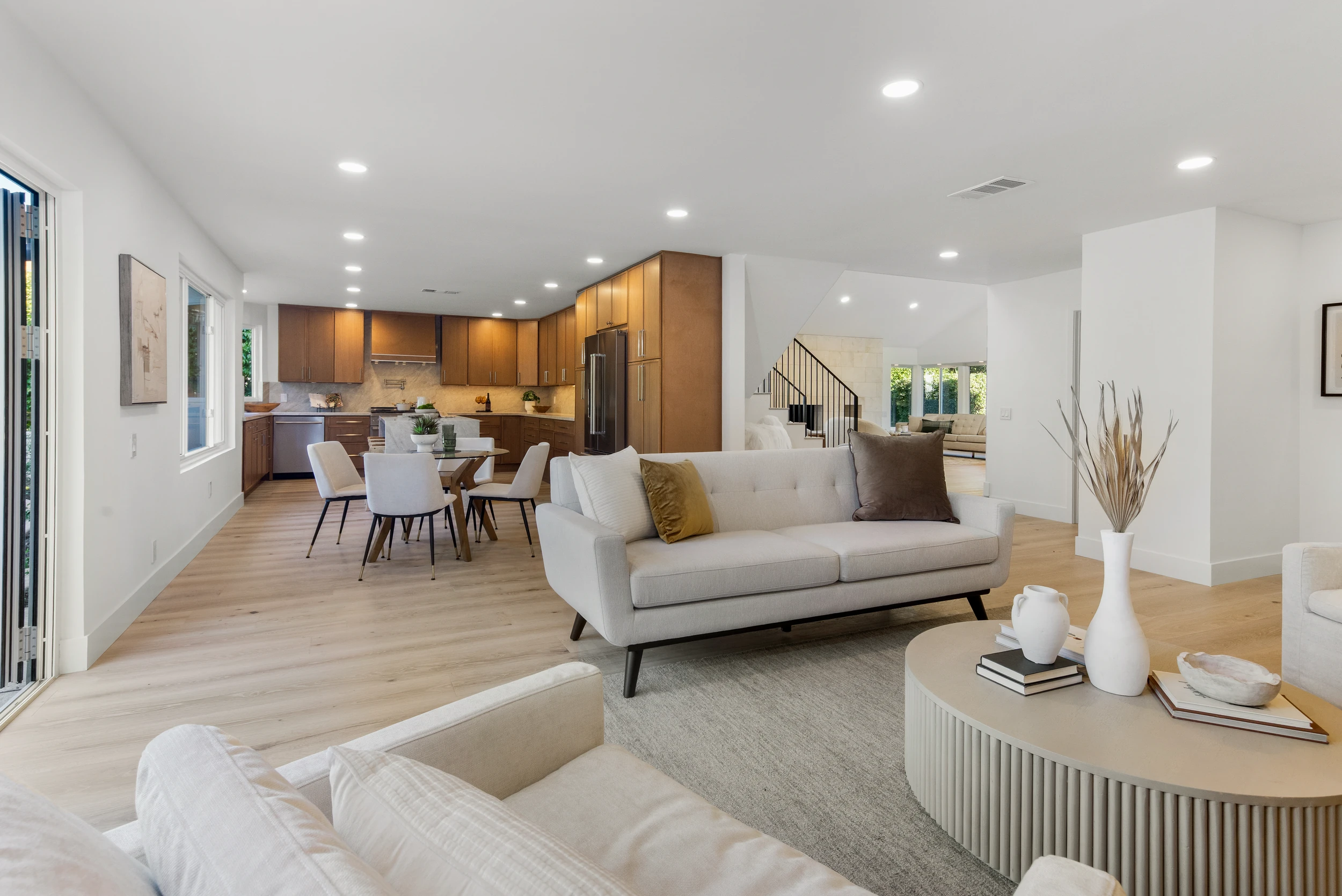
Adding a contrasting kitchen island enhances both elegance and convenience, making the space more stylish and practical.
Some layouts naturally work better in tight spaces. Galley kitchens (counters on two parallel walls) are efficient because they minimize wasted movement. L-shaped kitchens make corners useful and open up more in the middle. One-wall or “single-wall” kitchen layouts are simple and compact—ideal when space is very limited. The key is making your “work triangle” (sink, stove, fridge) compact so you’re not constantly walking. In addition, flow matters: can you open doors, reach what you need without squeezing past appliances?
Storage Strategies to Maximize Every Inch
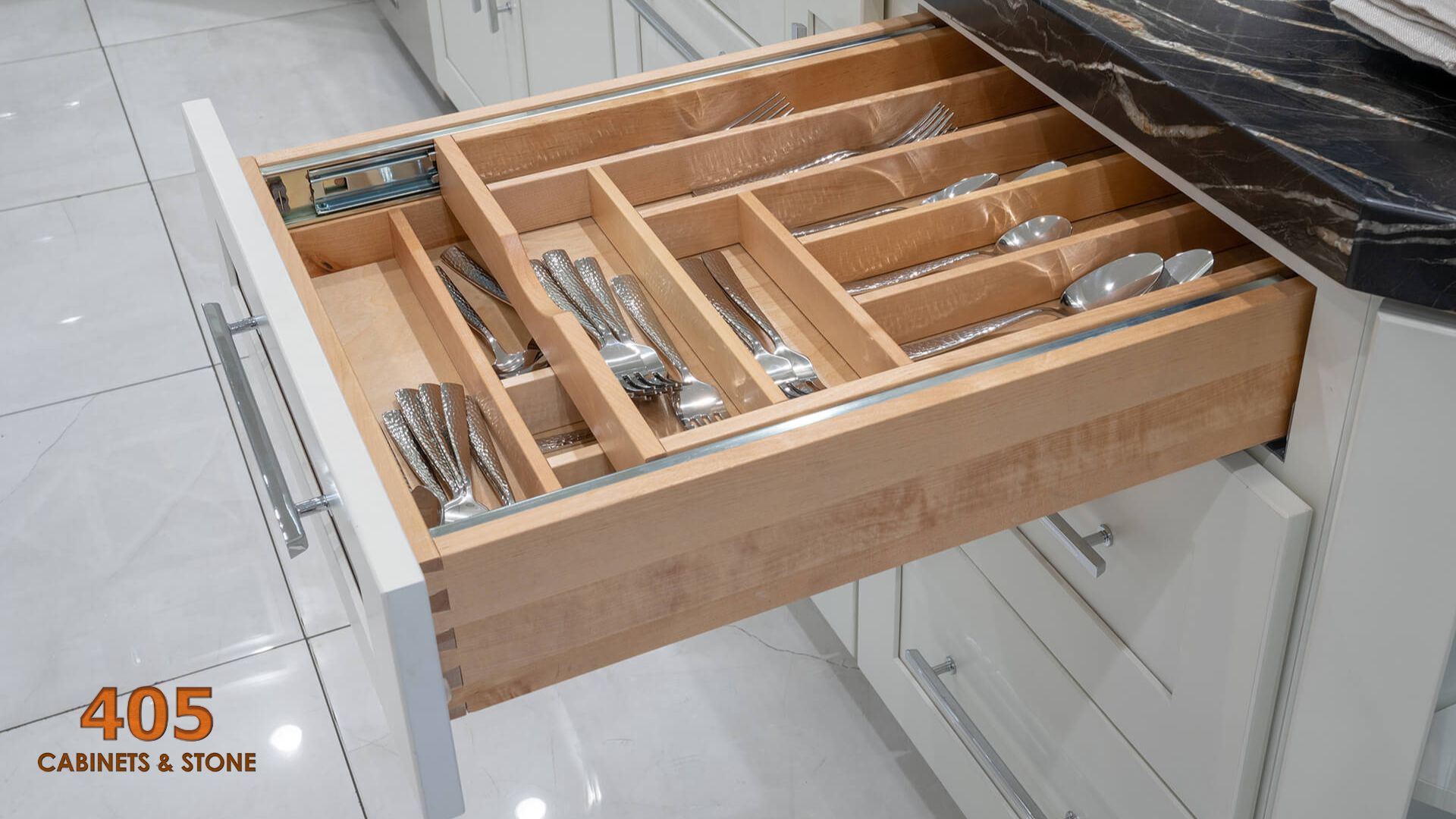
Because storage is so often the make-or-break aspect of a small kitchen, strategies should include: using tall cabinets that reach the ceiling; roll-out shelves and drawers instead of deep cabinets you can’t access; wall-mounted rails or pot racks; hiding smaller items behind doors or inside drawers so counter surfaces stay clean. Also implement the use of open shelving to visually open up space. Also use the space above cabinets, inside corners (lazy susans), and under counters to bolster your storage availability.
MUST READ: Hidden Storage Kitchen Cabinet Ideas for Minimalist Designs
Lighting, Color, and Finishes for Optical Expansion

Light colors are more reflective and make a space seem larger: whites, creams, soft grays. Using glossy or semi-gloss finishes, glass, mirrors or reflective tiles helps bounce light. Multiple light sources—overhead, under-cabinet, task lighting—reduces the shadows that make spaces feel small. Minimize heavy patterns in small areas; if using patterns, confine it to backsplash or floor. A well-chosen backsplash can also draw the eye. Using consistent materials or colors helps continuity and limits abrupt changes that break up space and can make it feel more cramped.
Choosing Appliances & Fixtures That Fit

Opting for a microwave-hood combo to save your kitchen space!
Full-size appliances often dominate a small kitchen. Choosing narrower or compact models, such as slim refrigerators, smaller stoves, and over-the-range microwaves can free up space. Also think about multifunction appliances. It is also important to think about your fixtures. Deeper sinks make cleaning easier without taking up additional counter space, Faucets that retract or swing, slide-in ranges vs protruding ones, and hardware that doesn’t jutt-out unnecessarily all help in optimizing the functionality of your kitchen area.
Balancing Style vs Function: Materials & Finishes

You want a kitchen that looks good and performs well. Durable surfaces are important, so installing easy-clean countertops, backsplash material that resists stains and moisture, hardware that holds up are all important to obtaining the balance you desire. Textures and contrast add interest—e.g. mixing a creamy white cabinets or shelf with natural stone countertops or backsplashes. For color, soft neutral bases with accent colors help avoid overwhelming the small space. Matte and eggshell decor are often more forgiving in hiding imperfections, but a touch of gloss or reflective surfaces can help with light.
Common Mistakes and How to Avoid Them
Some design choices feel good theoretically, but in practice hurt the space. Overstuffing with upper cabinets makes it feel boxed in. Too many heavy dark finishes without balancing light make rooms dim. Choosing oversized appliances just because bigger seems better—even if you never use the extra capacity, can be a massive mistake. Ignoring workflow and spacing (e.g. not enough clearance between sink and stove, or between fridge and cabinet door) can lead to problems that become more noticeable over time. Neglecting lighting, which happen in many kitchen redesigns, can make an average kitchen feel like a cramped space.. Avoid choosing style at complete expense of usability.
More Small Kitchen Design Inspirations

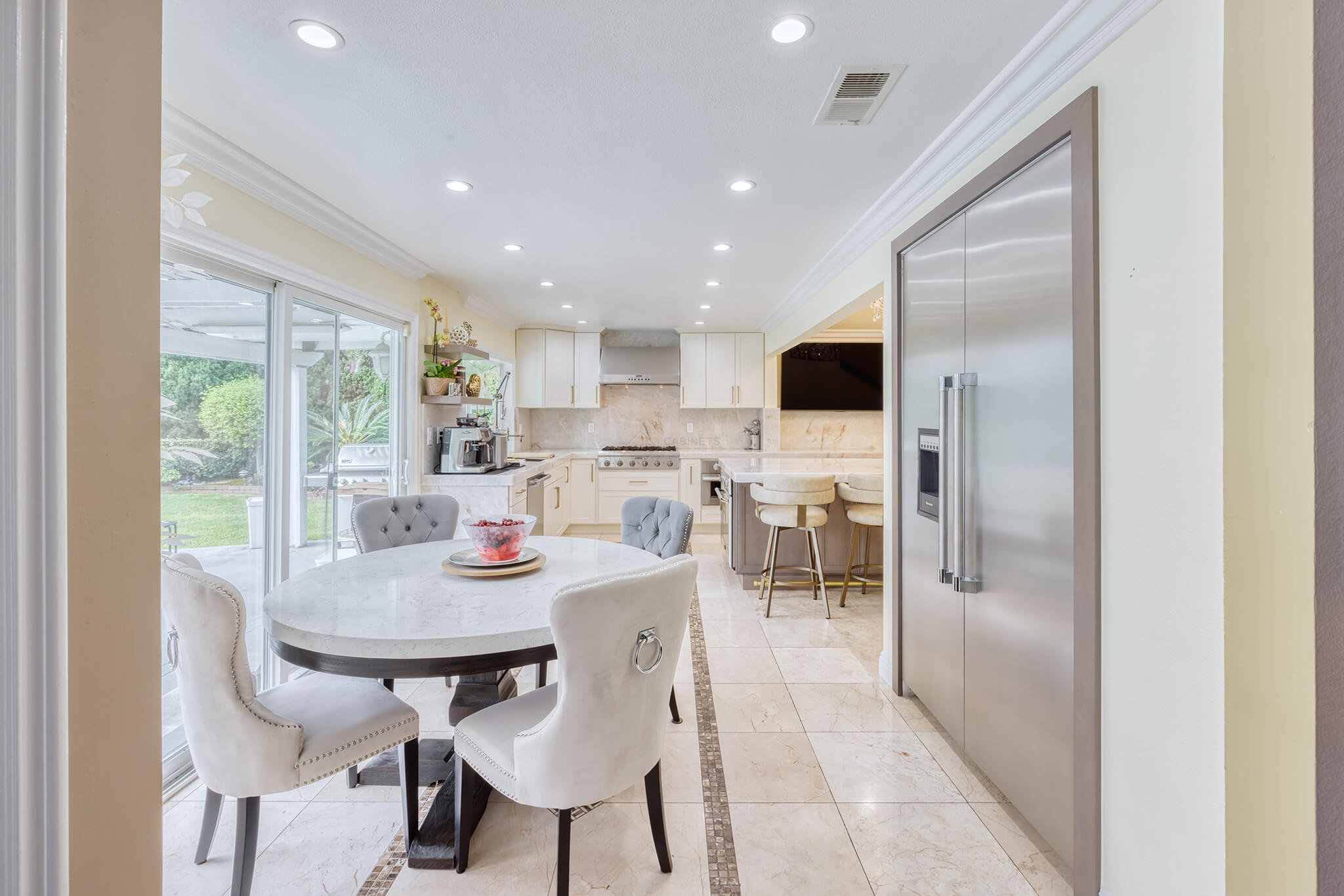
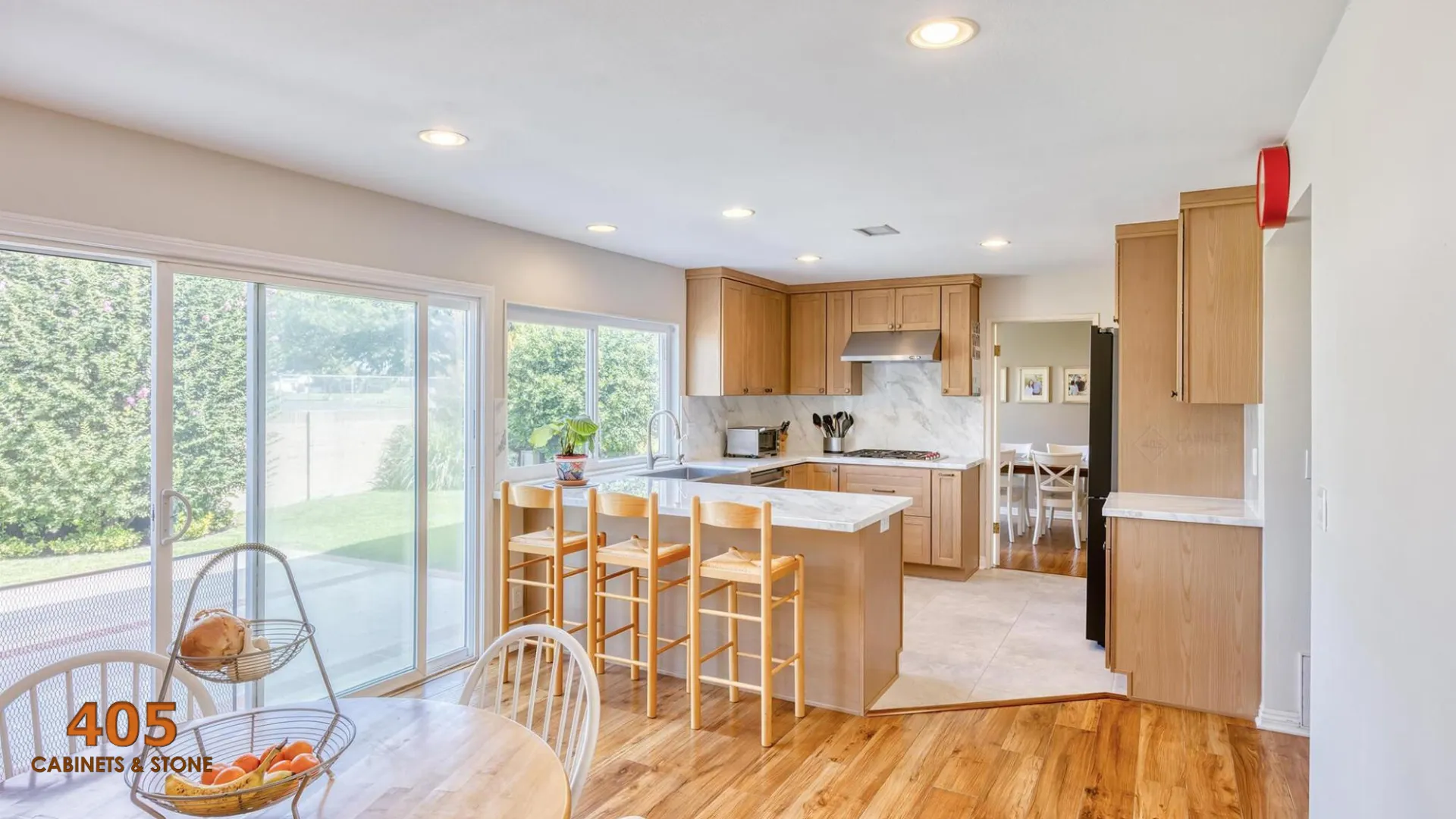
Opting for a peninsula in this U-shaped kitchen adds both extra storage and a cozy seating area, making the space more functional and inviting.
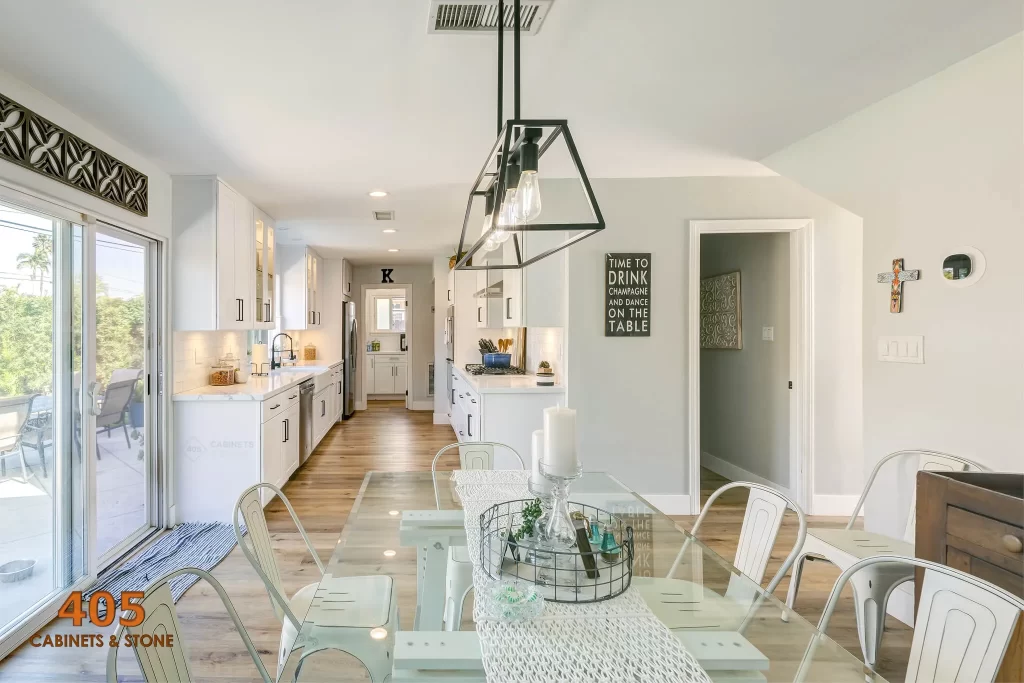
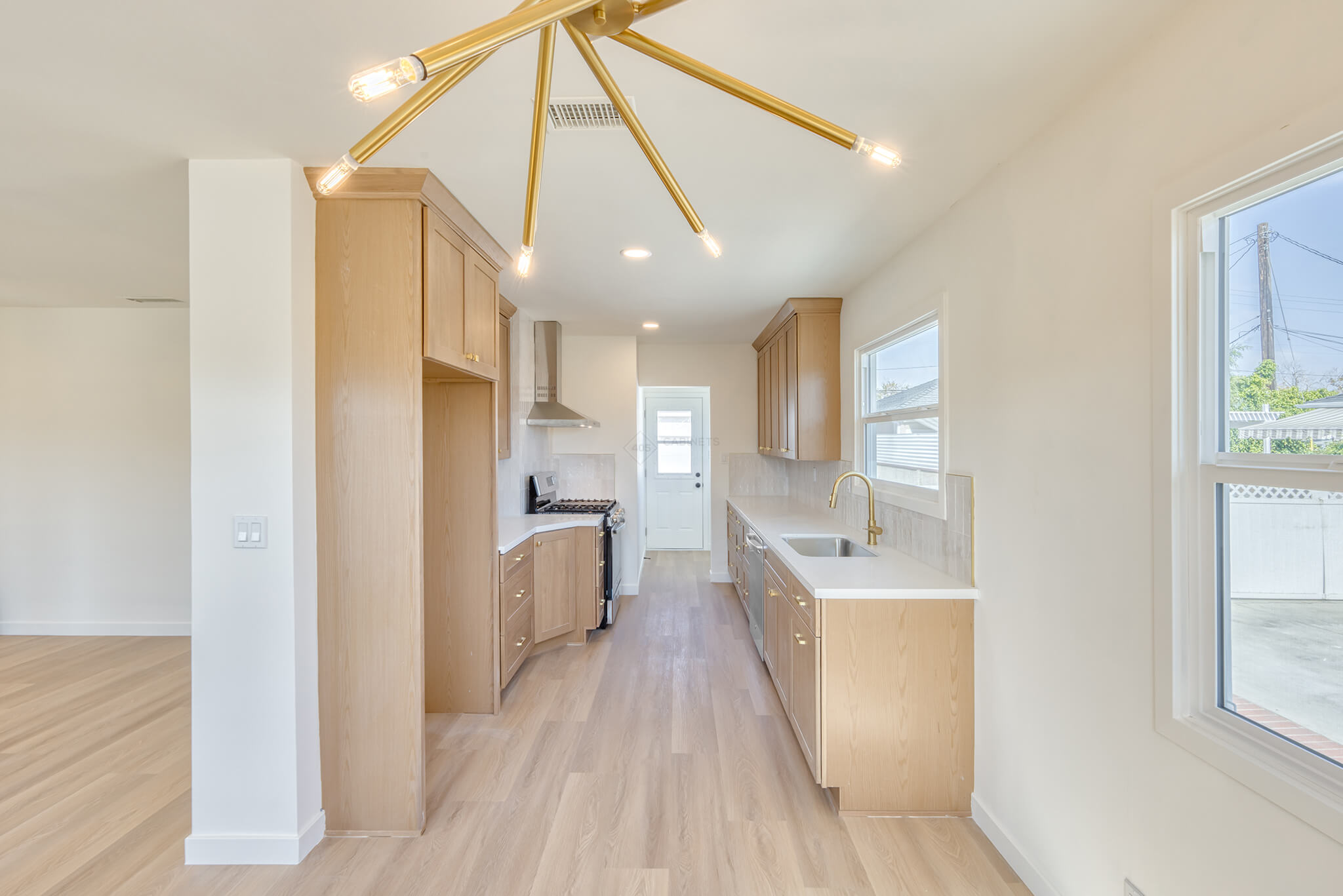
To open-up space, consider a galley layout with everything on two walls, a skinny walkway (but just enough clearance), upper and lower cabinets, and windows or mirrors at the end wall to reflect light.
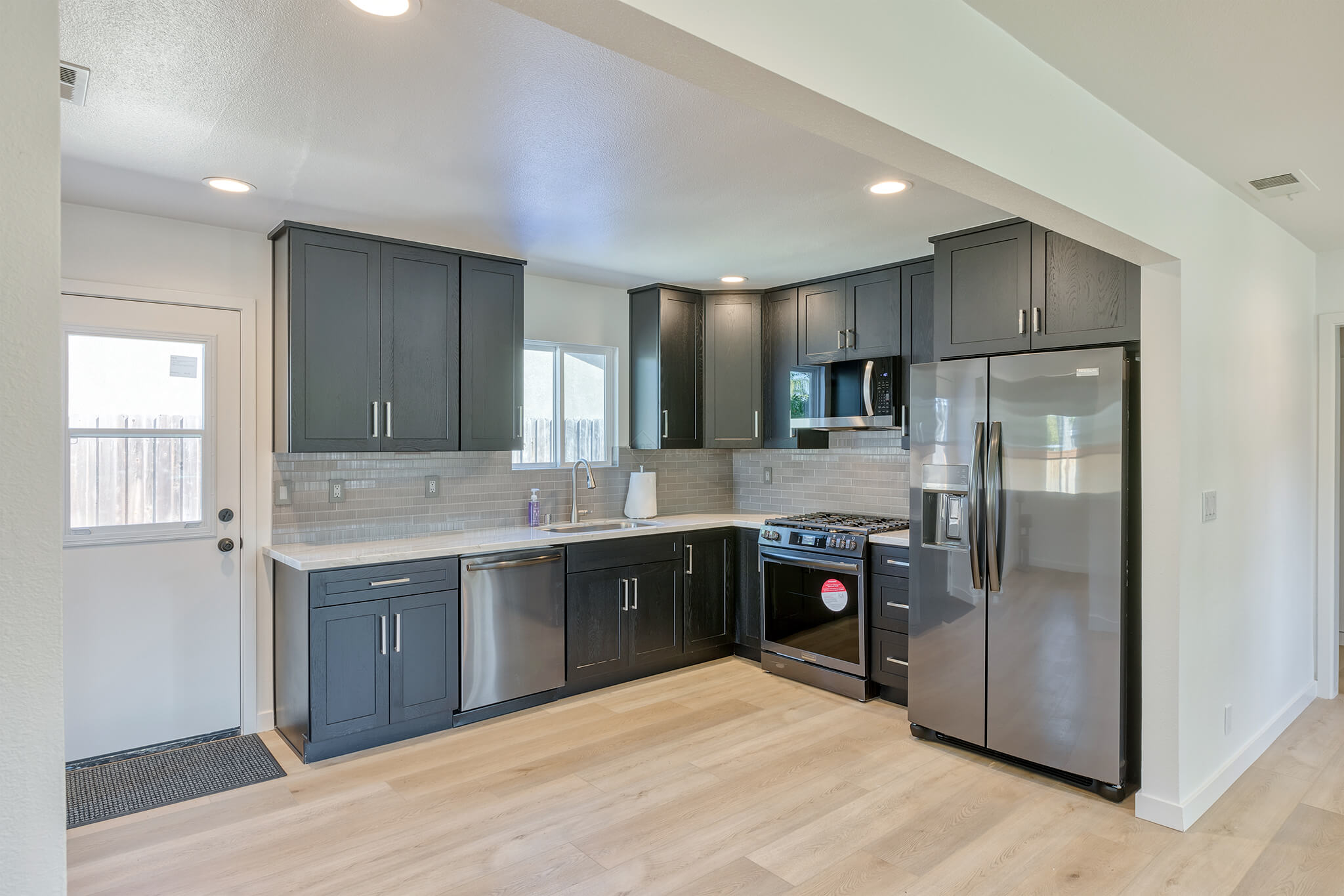
Another design consideration is the L-shape layout with smart choices such as a built-in microwave hood combination. Use a Lazy Susan corner cabinet and hidden storage for a clean and tidy kitchen.
Planning & Budgeting Your Small Kitchen Design
Start by mapping out what you use daily. Sketch or measure your space carefully. Decide what features are “must have” vs “nice to have.” Obtain multiple quotes if hiring contractors. Prioritize the “bones” first: layout, cabinetry, and lighting. You can often save by choosing a standard countertop or appliance size, or by painting/refinishing rather than full replacement. Think long-term—quality finishes and hardware may cost more up front, but will serve you better over the long-run..
Conclusion: Making the Most of Your Space
A small kitchen can become a place you love to cook, eat, and gather if you design it with intention. By choosing the right layout, making storage clever, using light and color wisely, picking fixtures that fit, and avoiding common missteps, you can turn tight quarters into a beautiful, highly functional kitchen. It’s not about having the biggest kitchen; it’s about making yours the best for you.