


When planning a new kitchen or remodeling an existing one, one of the most important principles to understand is the kitchen work triangle. If you’ve ever heard designers or contractors talk about “the triangle” and wondered what it means, you’re not alone. So, what is the triangle in kitchen design, and why does it matter so much when creating a space that’s both functional and beautiful?
Understanding the Kitchen Work Triangle

The kitchen triangle, also known as the work triangle, is a classic design concept that connects the three main work areas of any kitchen: the sink, the stove, and the refrigerator. These three points form the triangle that defines how efficiently you move between food storage, preparation, and cooking.
The main idea behind this design principle is simple. By keeping these three elements close enough to one another while leaving enough space to move comfortably, you create a kitchen that feels both practical and easy to use. The triangle reduces unnecessary walking, prevents bottlenecks, and keeps your most-used areas within reach.
The Origins of the Kitchen Triangle Concept
The kitchen triangle was first introduced in the early twentieth century, when architects and efficiency experts studied how to improve workflow in the home. In the 1940s, the University of Illinois School of Architecture helped formalize the concept as part of its research into ergonomic kitchen design.
Their recommendations suggested that each leg of the triangle should measure between four and nine feet, with the total distance of all three sides falling between thirteen and twenty-six feet. No obstacles, such as cabinets or islands, were to cut through the triangle. The purpose of these guidelines was to create a sense of flow in what was often a small and enclosed workspace, allowing a single cook to move efficiently from one station to the next.
Why the Triangle Still Matters Today
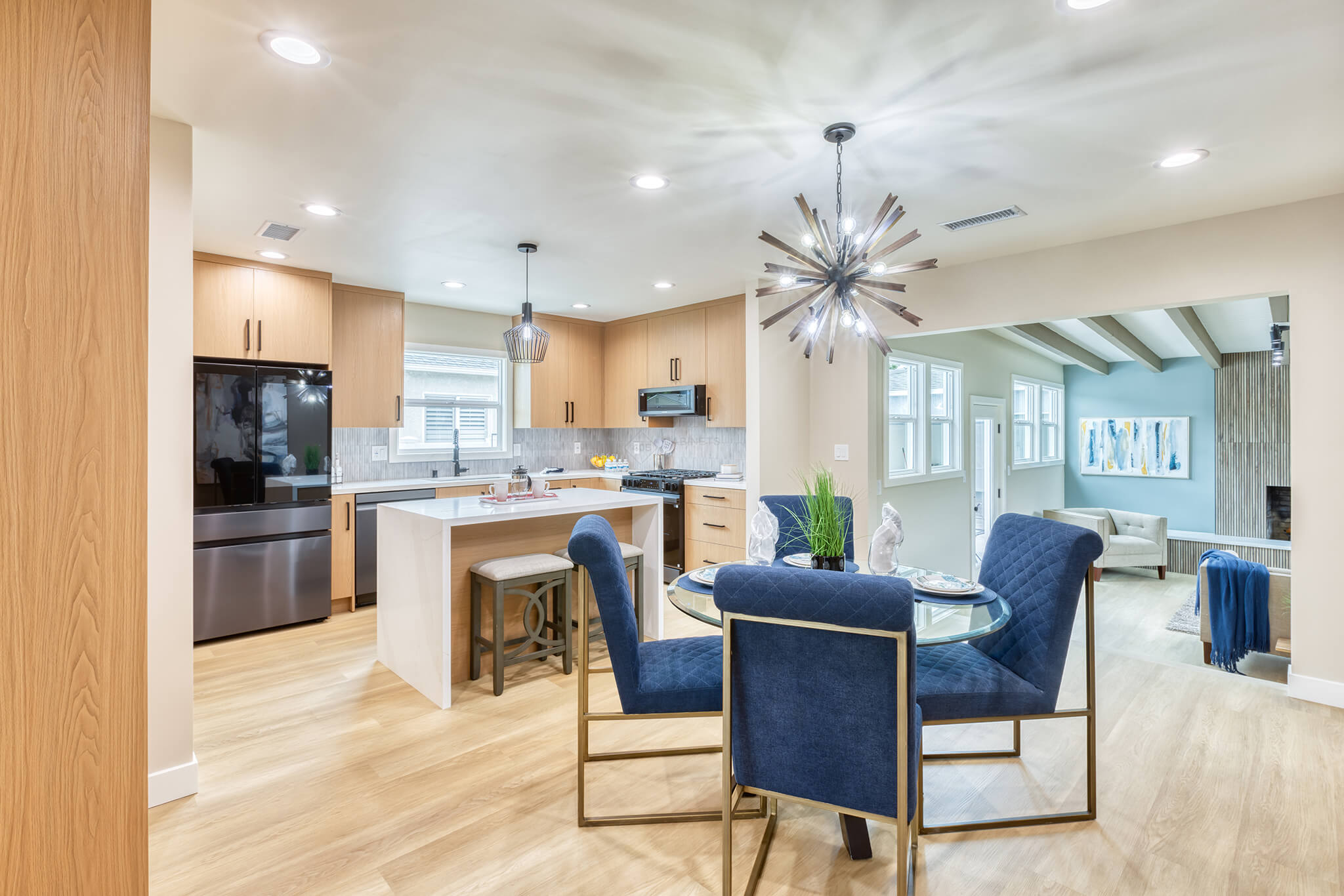
Although kitchen designs have evolved dramatically since the 1940s, the triangle remains a cornerstone of good design. Even with open layouts, large islands, and multiple appliances, the concept still helps organize space logically.
When the refrigerator, sink, and stove are positioned in a balanced triangular relationship, the result is an environment that supports smoother cooking, faster cleanup, and better organization. The triangle encourages efficiency by keeping every essential task—washing, prepping, and cooking—within a few steps of each other. It also promotes safety, since hot pans and sharp utensils remain within a contained work zone rather than overlapping with busy traffic areas.
The principle also has a visual benefit. A well-formed triangle creates a natural rhythm in the room that feels both symmetrical and inviting, adding an intentional but aesthetically pleasing design to your space.
Modern Interpretations of the Kitchen Triangle
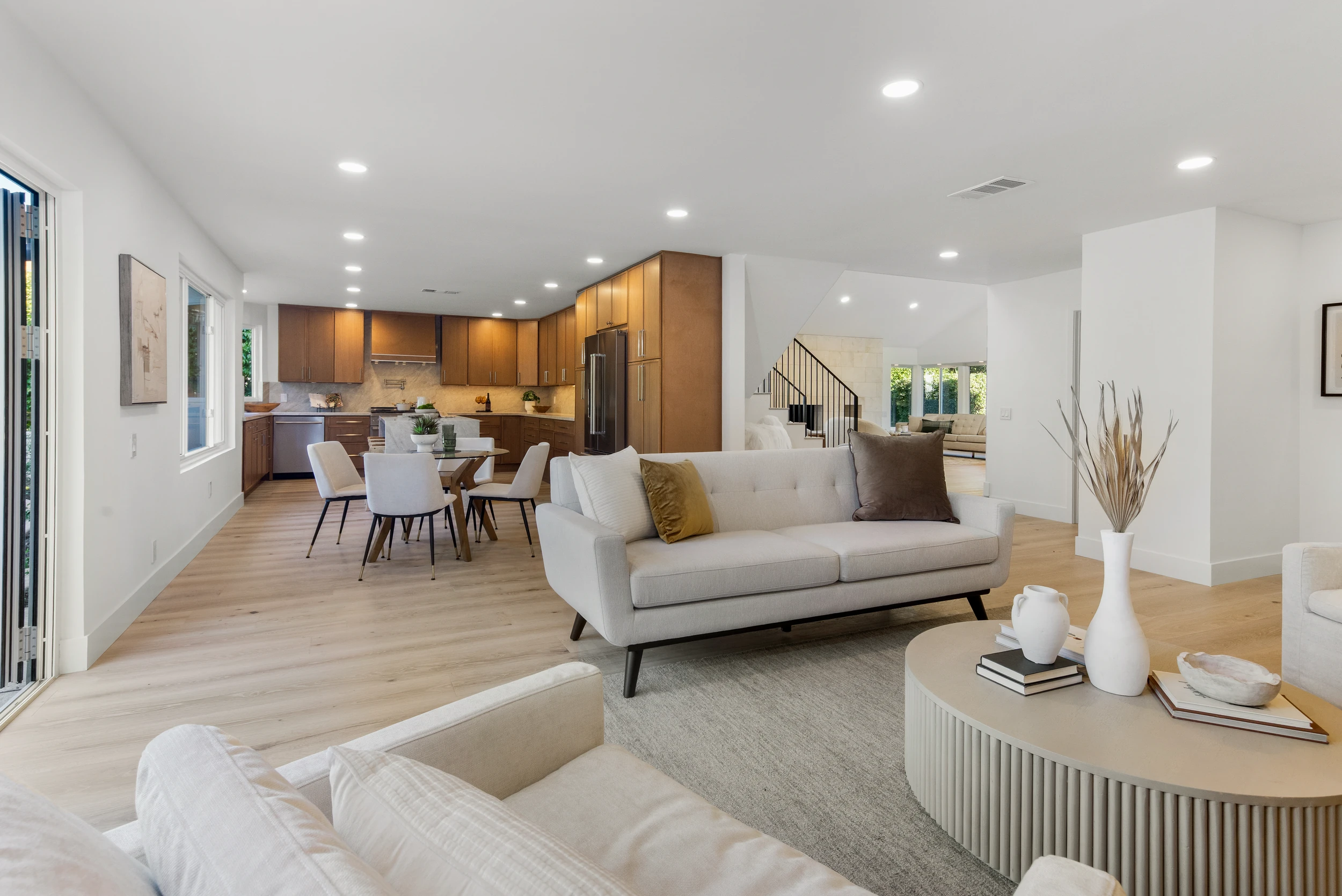
In today’s homes, kitchens serve many more purposes than cooking. They are places to gather, entertain, work, and relax. Because of this, the traditional kitchen triangle has been adapted into more flexible concepts known as work zones.
Instead of one triangle, a kitchen may now include several smaller zones. There may be a prep zone around the sink and cutting surfaces, a cooking zone near the range, a cleaning zone around the dishwasher, and a beverage or serving area near the refrigerator. These zones maintain the logic of the triangle but allow multiple people to cook or use the kitchen simultaneously without getting in each other’s way.
Even with these updates, the original concept still serves as the foundation. Whether a kitchen has two cooks or one, whether it is compact or expansive, the balance between the key elements remains essential for functionality.
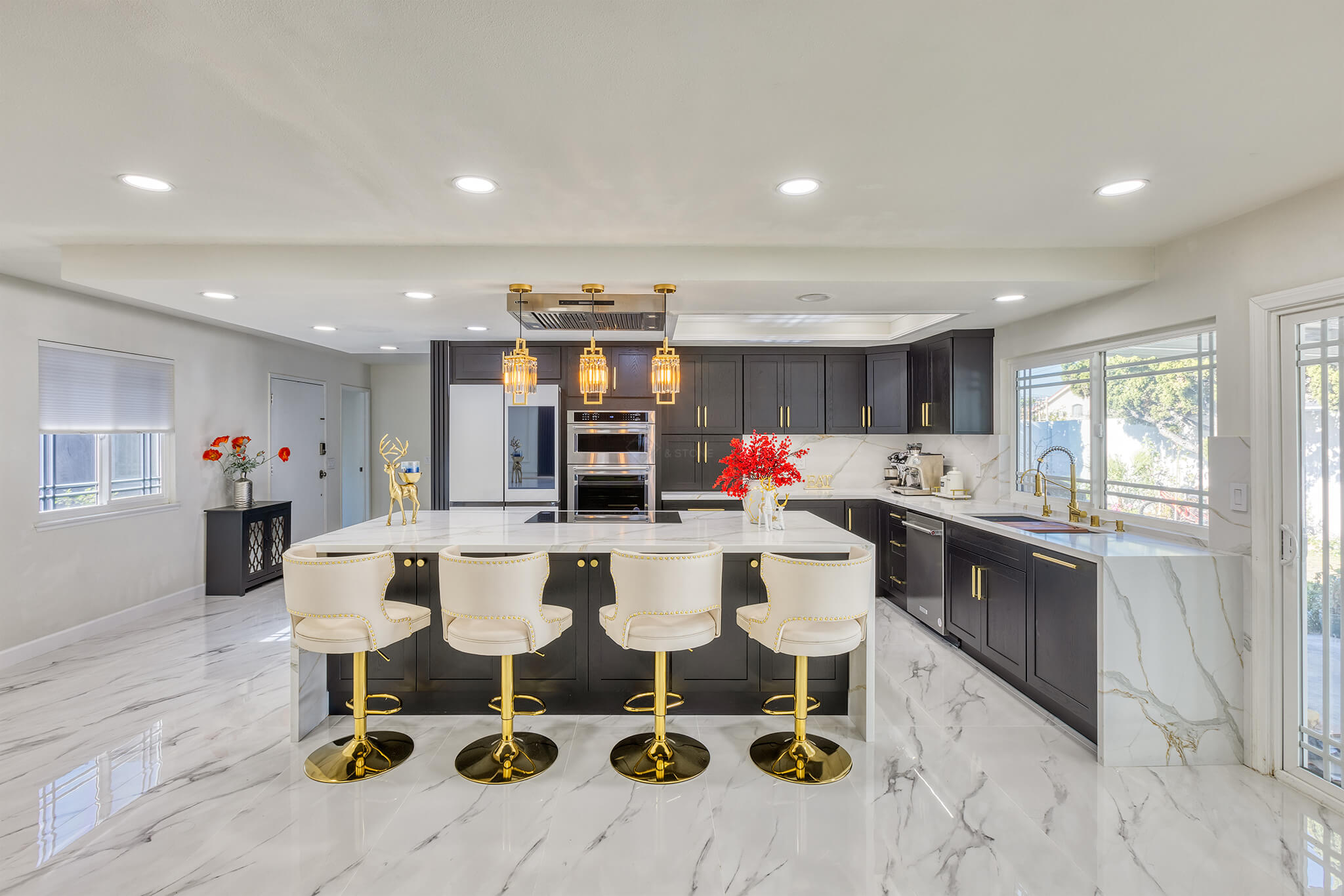
What Is the Triangle in Kitchen Design and How Does It Fit Different Layouts
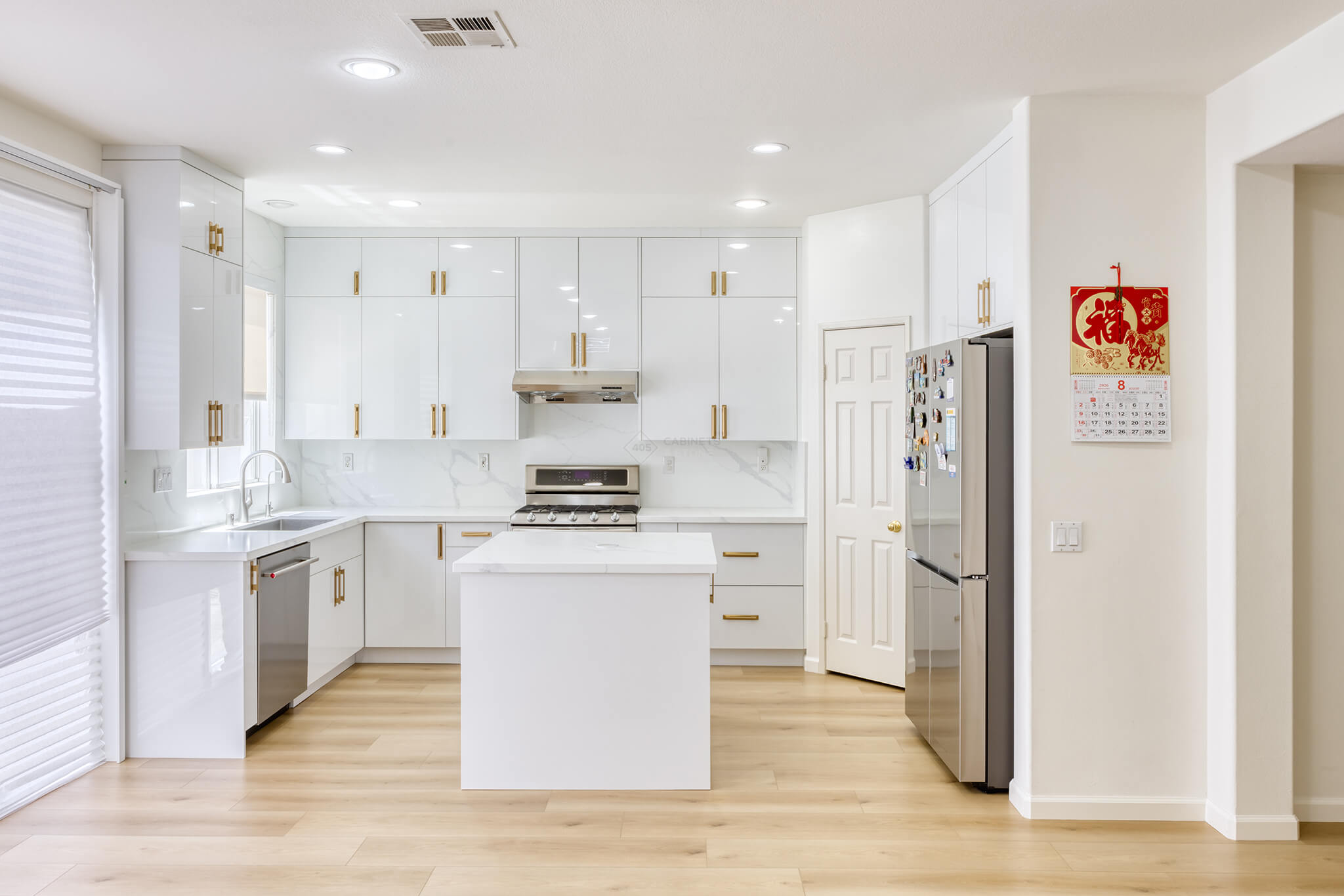
The beauty of the kitchen triangle is that it can be applied to almost any layout. In an L-shaped kitchen, the triangle forms naturally when the refrigerator and stove are placed on separate legs of the layout with the sink in the corner. This design creates an efficient workflow and generous counter space.
In a U-shaped kitchen, each appliance typically occupies its own wall, forming a near-perfect triangle that allows the cook to move fluidly among all three stations. Galley kitchens, which are common in smaller homes or apartments, often feature a modified version of the triangle where the sink and stove are on one side and the refrigerator on the opposite wall. The key is ensuring that movement remains smooth and uninterrupted.
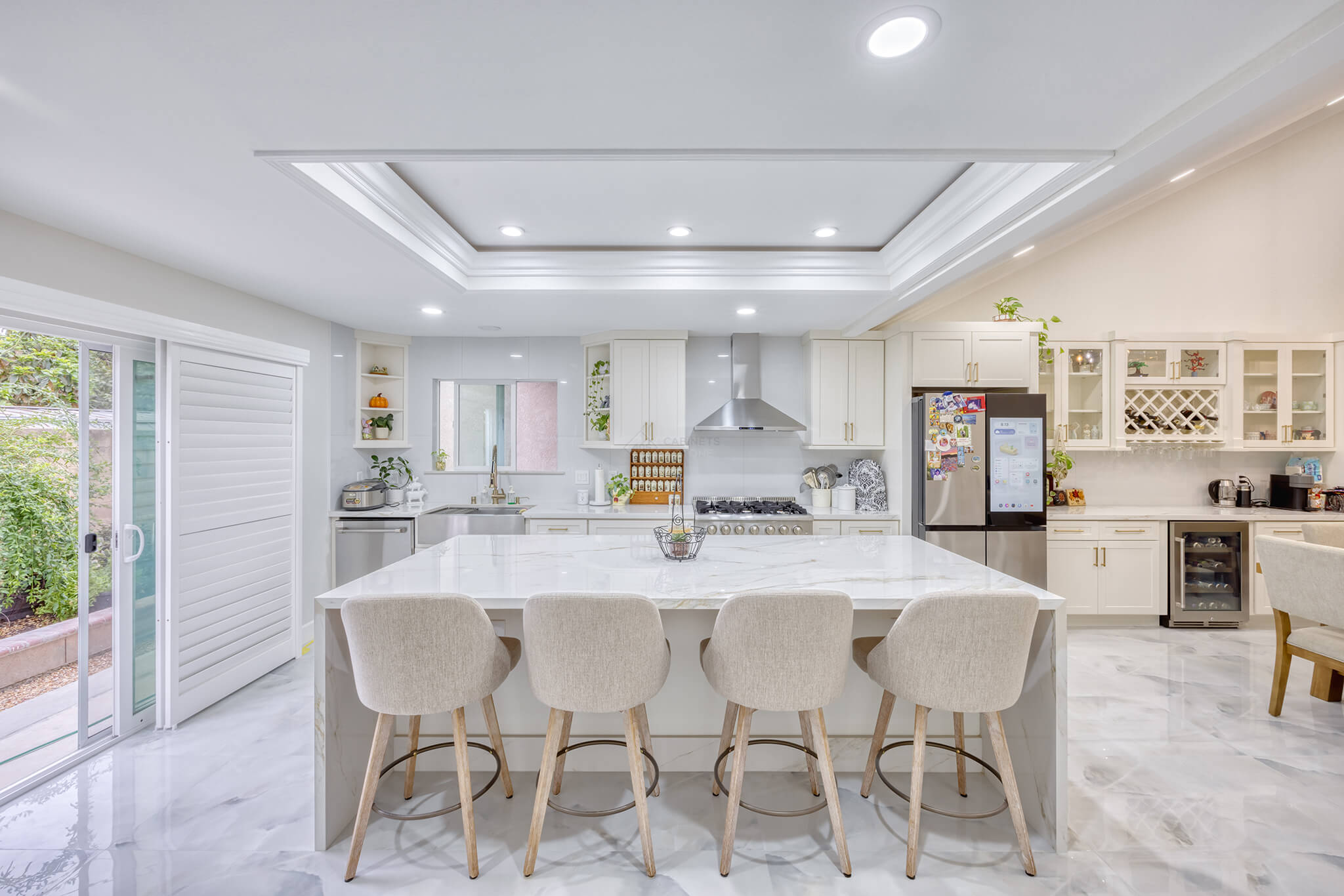
Kitchens with islands require more thoughtful planning. An island can either support the triangle or disrupt it depending on how it’s positioned. Many homeowners choose to place the sink or cooktop on the island to preserve the triangle’s balance and keep the workflow natural. The goal is to make sure the island complements the flow rather than blocking it.
Balancing Form and Function
While the kitchen triangle focuses primarily on efficiency, today’s design trends emphasize beauty and personalization as well. Homeowners want spaces that look elegant yet perform effortlessly. The good news is that functionality and aesthetics go hand in hand.
High-quality cabinetry such as the Oak Whisky Royale and Classé lines, or the Maple Fossil Nuovo and Savannah Sand models, coupled stylish quartz or nano-crystallized glass countertops, along with carefully chosen lighting, can highlight the layout and reinforce the triangle visually. For instance, pendant lights above an island can help define the cooking zone, while under-cabinet lighting can draw attention to prep areas. These touches bring warmth, depth, and clarity to the space, ensuring that practicality doesn’t come at the expense of design.
When It’s Okay to Bend the Rules
The kitchen triangle isn’t a rigid formula. Some layouts benefit from modifying or expanding the concept. Large kitchens may include a secondary prep sink or a separate cooking station, which creates multiple overlapping triangles. The point isn’t to achieve mathematical perfection—it’s to design a kitchen that feels intuitive and fits the way you actually cook and live.
Professional kitchen designers often use the triangle as a foundation but customize it based on how each household functions. For example, a passionate home chef might need more space around the stove, while a family with young children may prioritize keeping the cooking area away from high-traffic paths.
Conclusion
So, what is the triangle in kitchen design really about? At its core, it’s about harmony—between movement and space, between form and function. Whether you’re working with a compact galley kitchen or an expansive open-concept design, let the experts at 405 Cabinets & Stone apply their expertise and understanding of this timeless principle to help you create a space that is efficient, safe, and enjoyable to use.