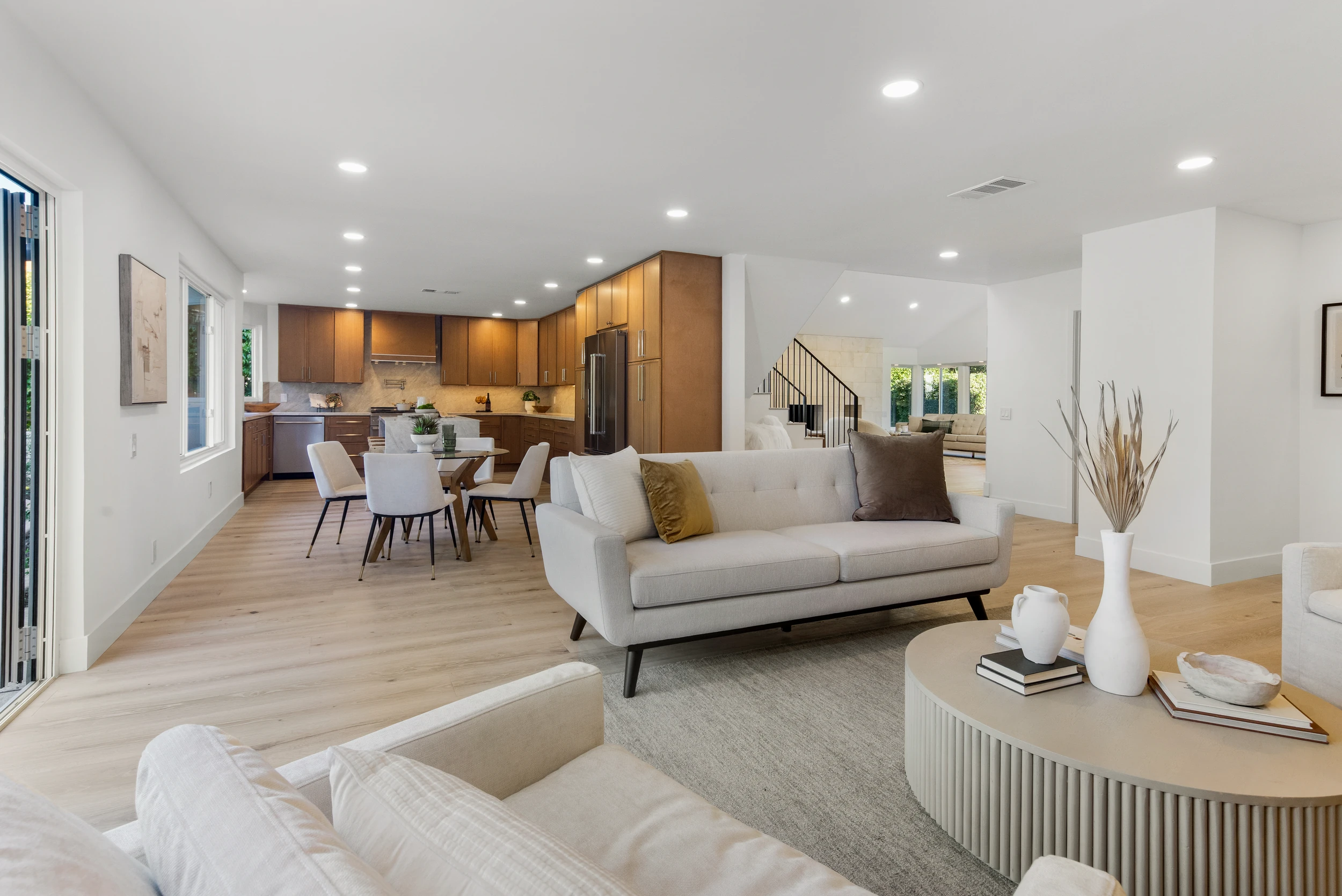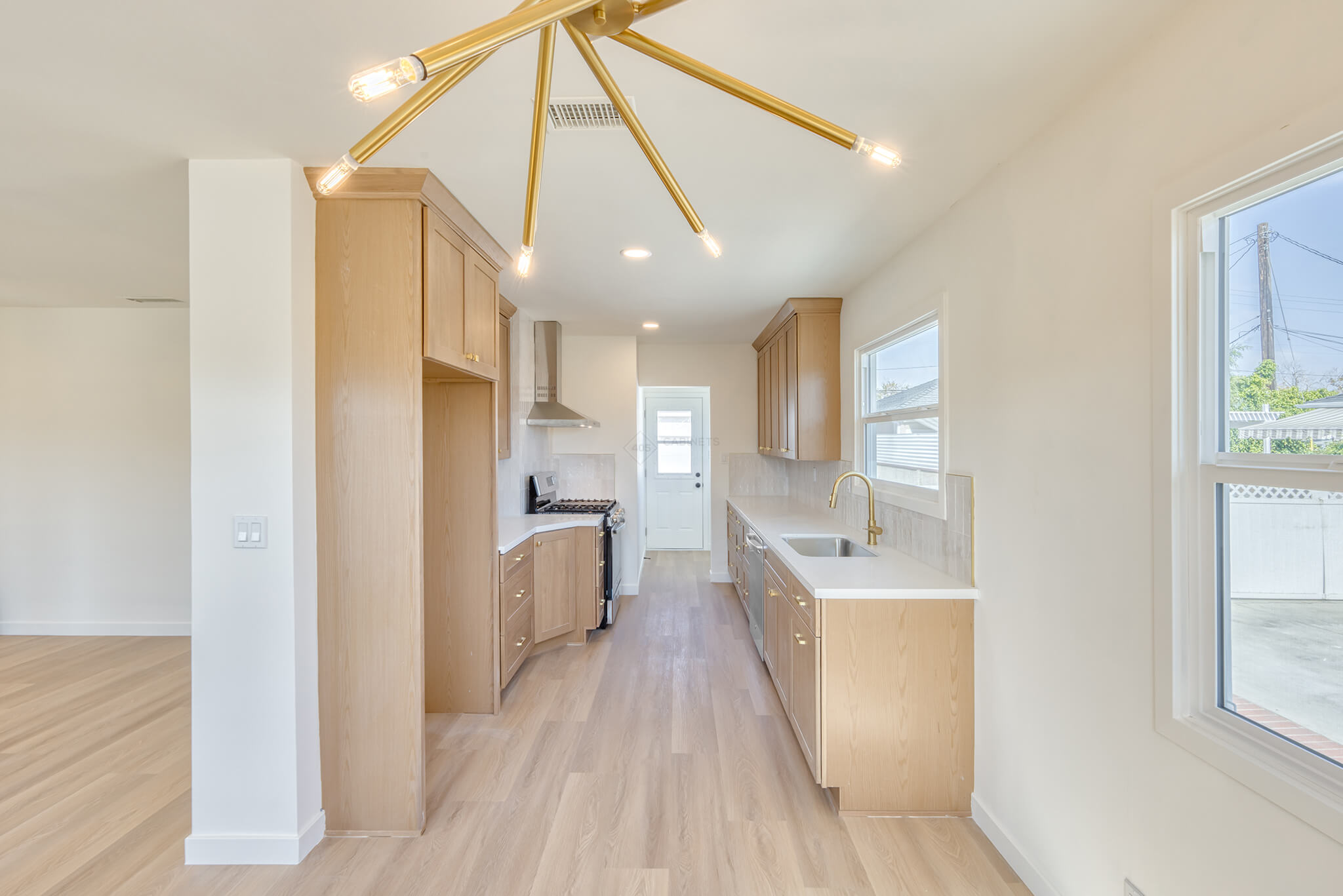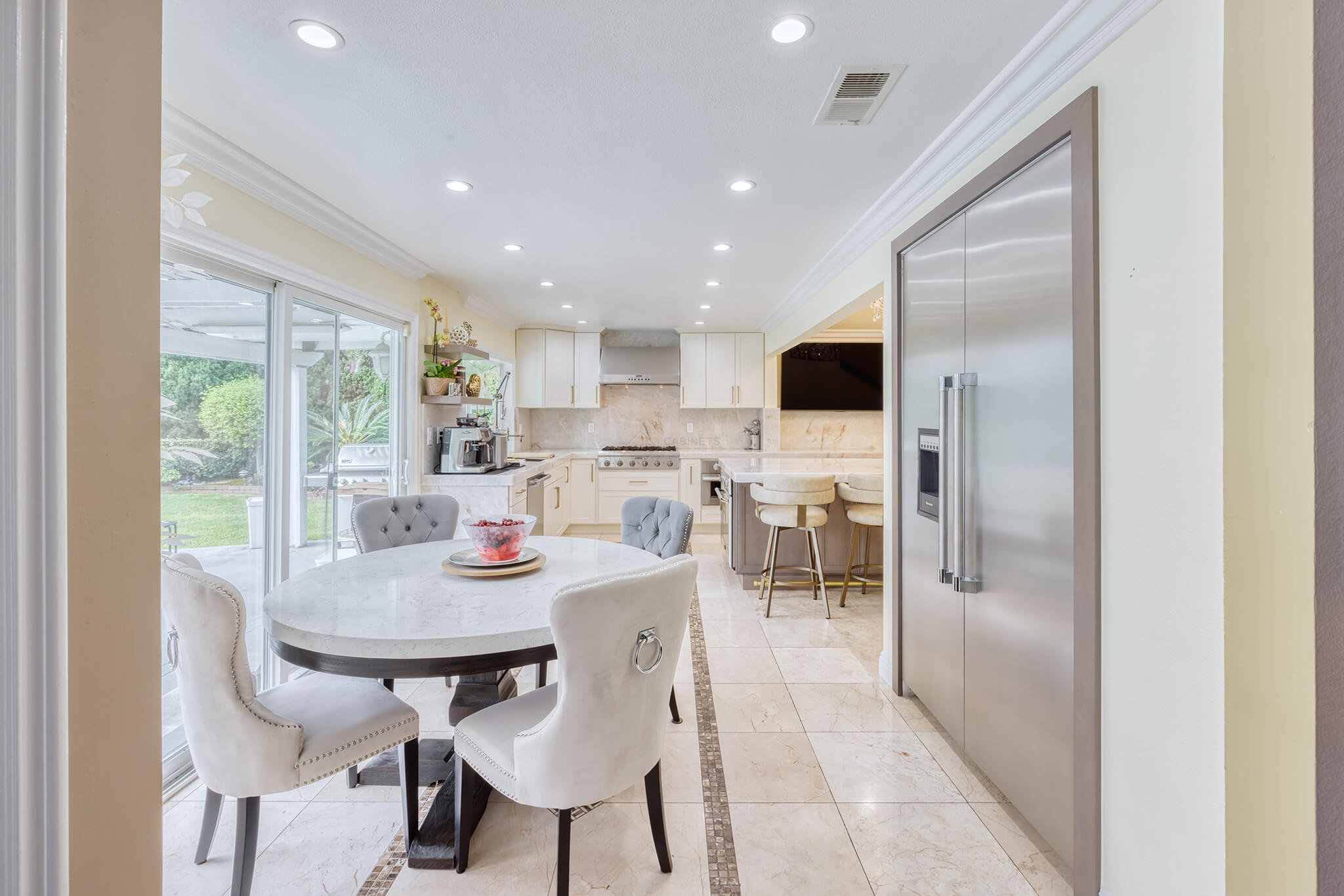


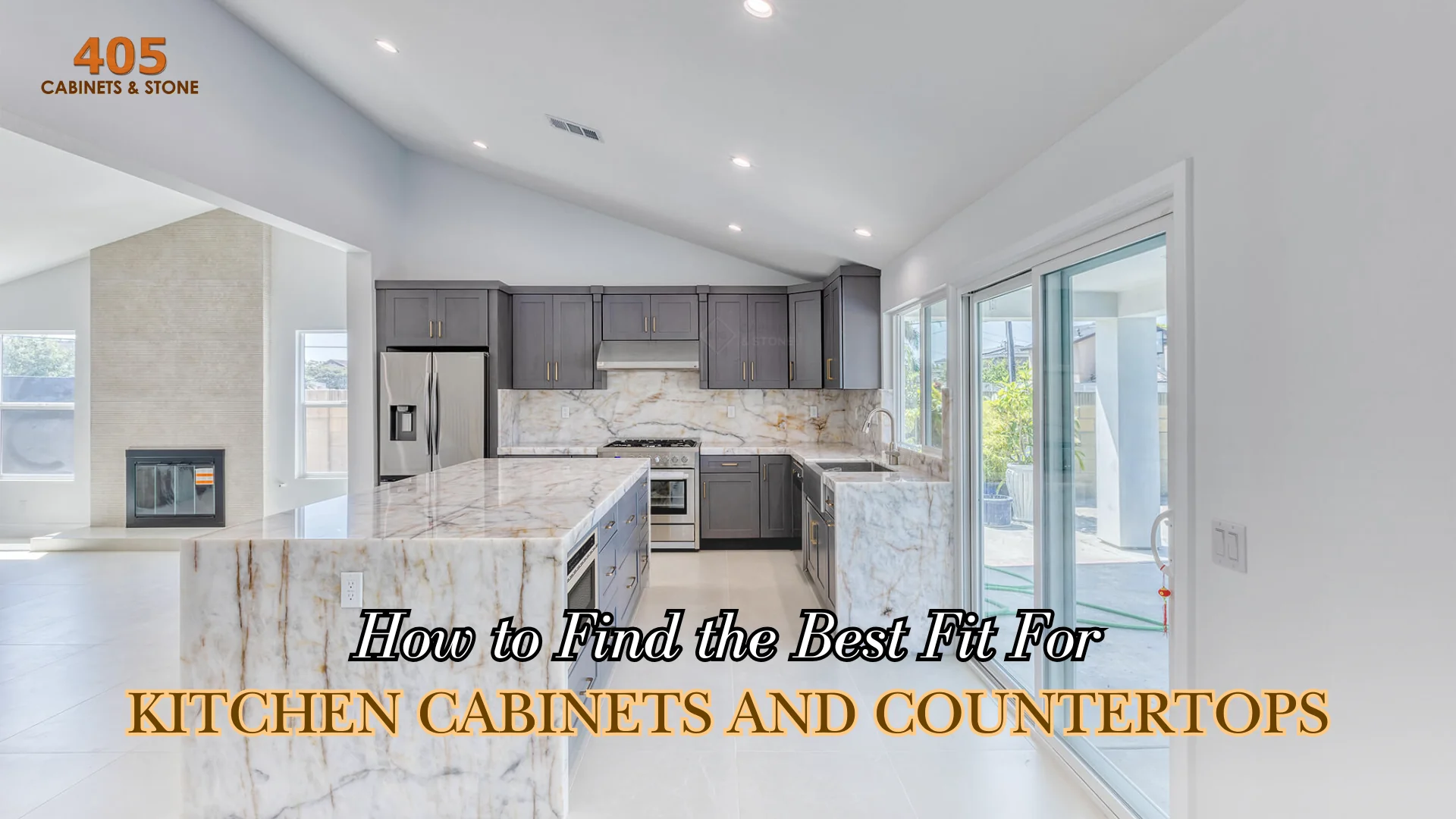

The hardest part of planning a kitchen is rarely falling in love with one cabinet door or one countertop sample. The harder part is imagining how both will live together after the floor is installed, the lights are on, the island is built, and the room becomes part of everyday life. That is why the search for kitchen cabinets and countertops often begins with inspiration, but it should end with a design that feels clear, beautiful, and confident in your own home.
Homeowners usually want more than a pretty picture. They want to understand which combinations feel bright, which ones feel rich, which ones make a kitchen look larger, and which choices will still feel refined years from now. The best fit is not only about color. It is about proportion, surface movement, cabinet finish, lighting, storage needs, and the way the entire space supports cooking, hosting, and family routines.
Kitchen Cabinets and Countertops Should Start With the Mood of the Room
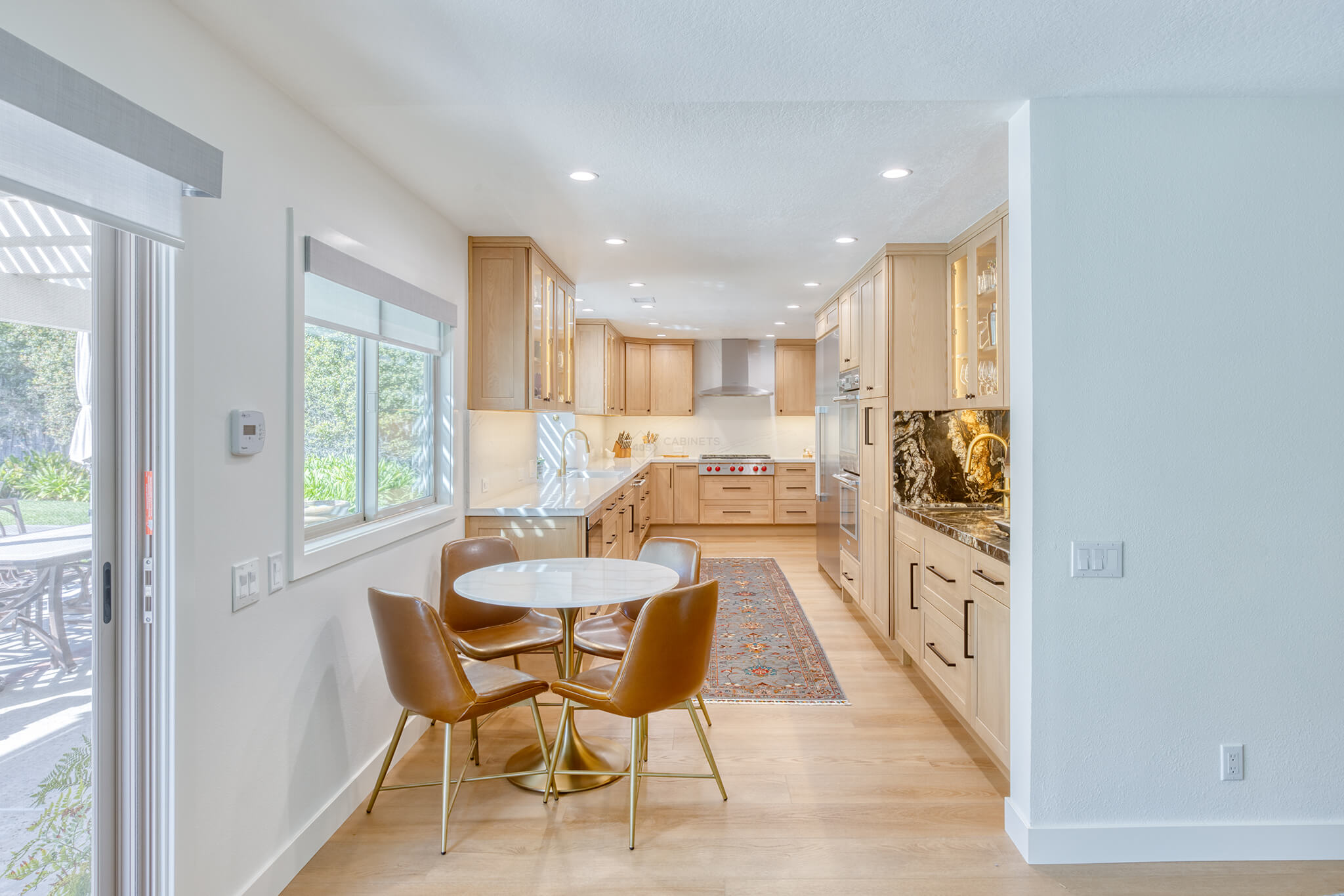
Before choosing a cabinet finish or countertop surface, it helps to name the feeling you want when you walk into the kitchen. Some homeowners want a calm and open room with soft surfaces and quiet contrast. Others want a deeper, more dramatic design where the island becomes the centerpiece. A clear mood gives every later decision a purpose.
White and off white cabinets can create a clean foundation for a kitchen that feels airy and timeless. Light gray cabinets bring a softer tone that still feels polished. Dark gray and black cabinets can add depth when paired with a lighter surface that keeps the room from feeling heavy. Dark blue can create a tailored look when the rest of the space is carefully balanced. White oak can bring warmth and visual texture, especially when the countertop has a restrained pattern rather than a busy one.
The right direction should feel natural to the architecture of the home. A wide open kitchen with strong daylight can hold more contrast. A narrower kitchen may benefit from a gentler palette that keeps the eye moving. A large island can carry a different surface tone from the perimeter, but the two areas should still feel connected through undertones, hardware, lighting, or backsplash choices.
Contrast Works Best When It Feels Intentional
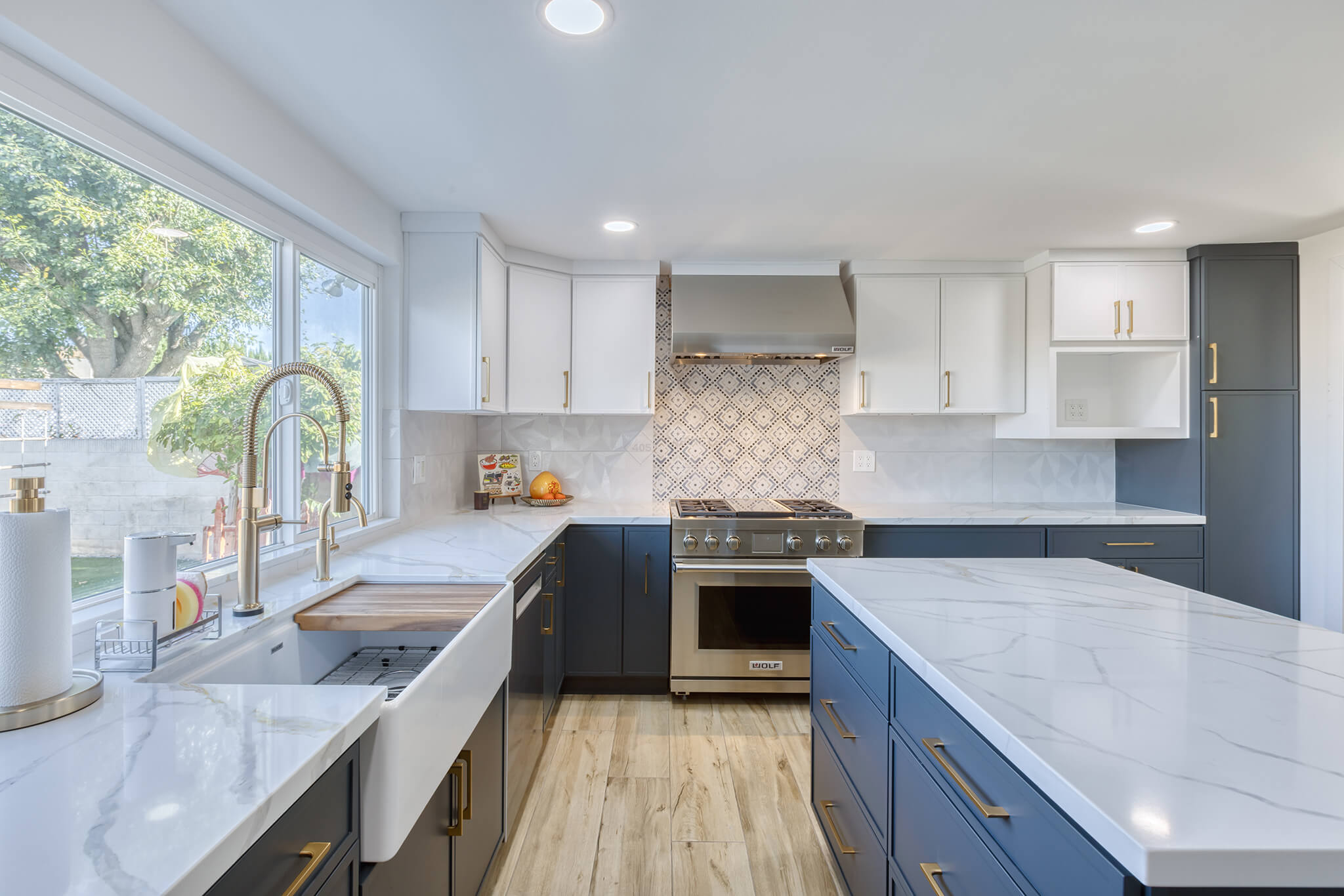
Contrast is one of the most reliable ways to make kitchen cabinets and countertops feel designed rather than simply selected. A light cabinet with a deeper countertop can frame the room with confidence. A darker base cabinet with a pale countertop can make the work surface stand out beautifully. A white oak cabinet with a soft, light surface can feel warm without becoming visually crowded.
The key is restraint. A kitchen does not need every feature to compete for attention. When the cabinet color has strength, the countertop can offer calm movement. When the countertop has noticeable veining or texture, the cabinet finish can act as a composed backdrop. This balance helps the room feel edited and finished.
Contrast also depends on where the eye lands first. In many kitchens, the island is the natural focal point. A designer may use that area to introduce a richer tone while keeping the surrounding cabinets quieter. In other layouts, the range wall or sink wall deserves the strongest visual moment. Thinking this way prevents the design from feeling random and helps each surface play a role.
The Countertop Pattern Should Respect the Cabinet Style
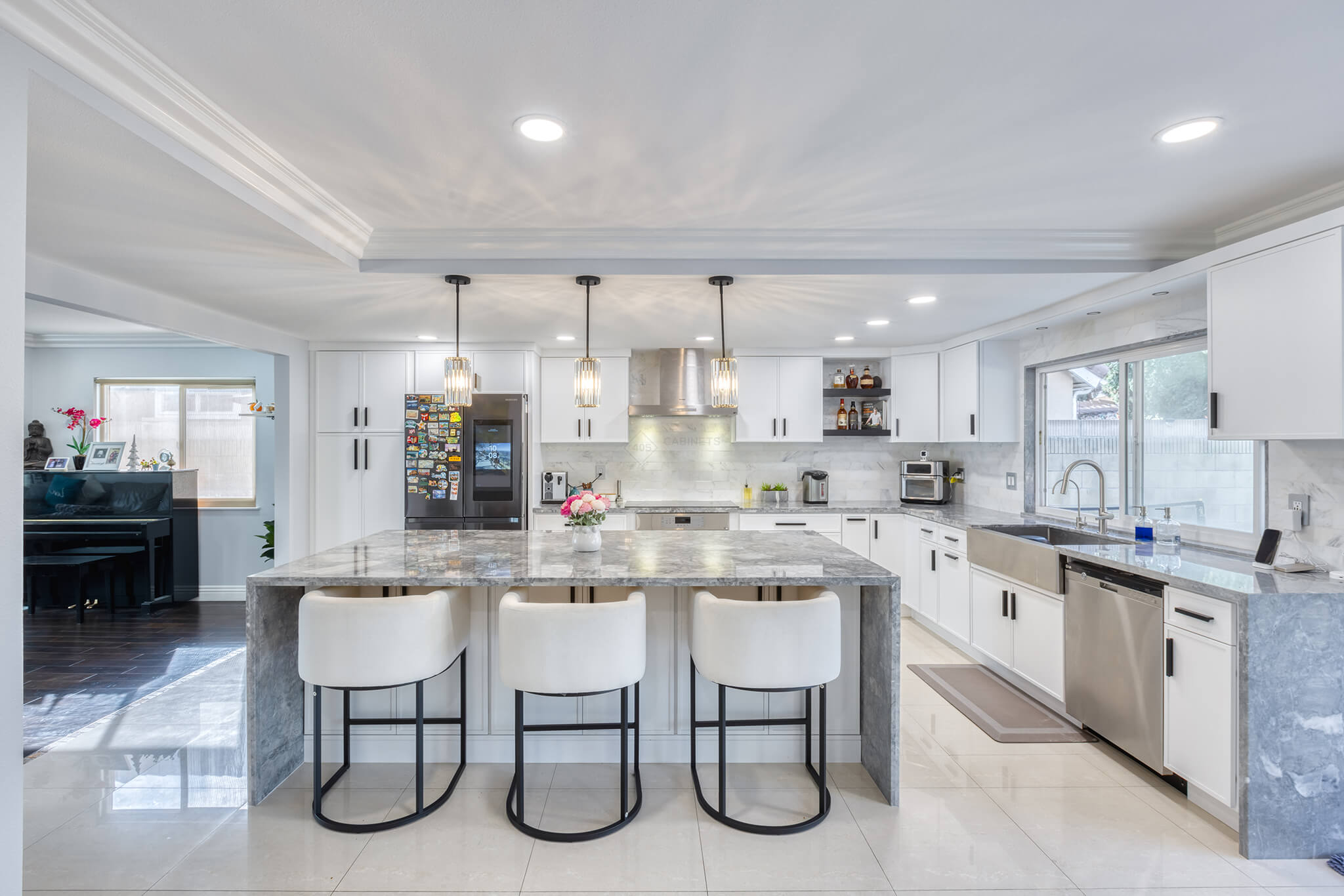
Countertop movement can change the entire personality of a kitchen. A surface with soft veining feels elegant and easy to live with. A bolder pattern can create a more memorable room, especially across a large island or a full backsplash. The best choice depends on the cabinet style, door profile, and amount of visible surface area.
Simple cabinet doors often give the countertop more room to speak. A clean white cabinet can pair beautifully with a surface that has gentle gray movement. Dark gray cabinetry can look refined with a lighter counter that adds brightness. White oak can sit comfortably beside a quieter surface because the cabinet already brings natural variation to the room.
When homeowners compare countertop materials, the conversation often includes nano crystallized glass, sintered stone, and engineered quartz. Each can create a different visual effect, from crisp and luminous to subtle and stone inspired. The best selection should be made in person whenever possible, because the scale of a pattern looks different on a full slab than it does on a small sample.
Quality Shows Up in the Details You Touch Every Day
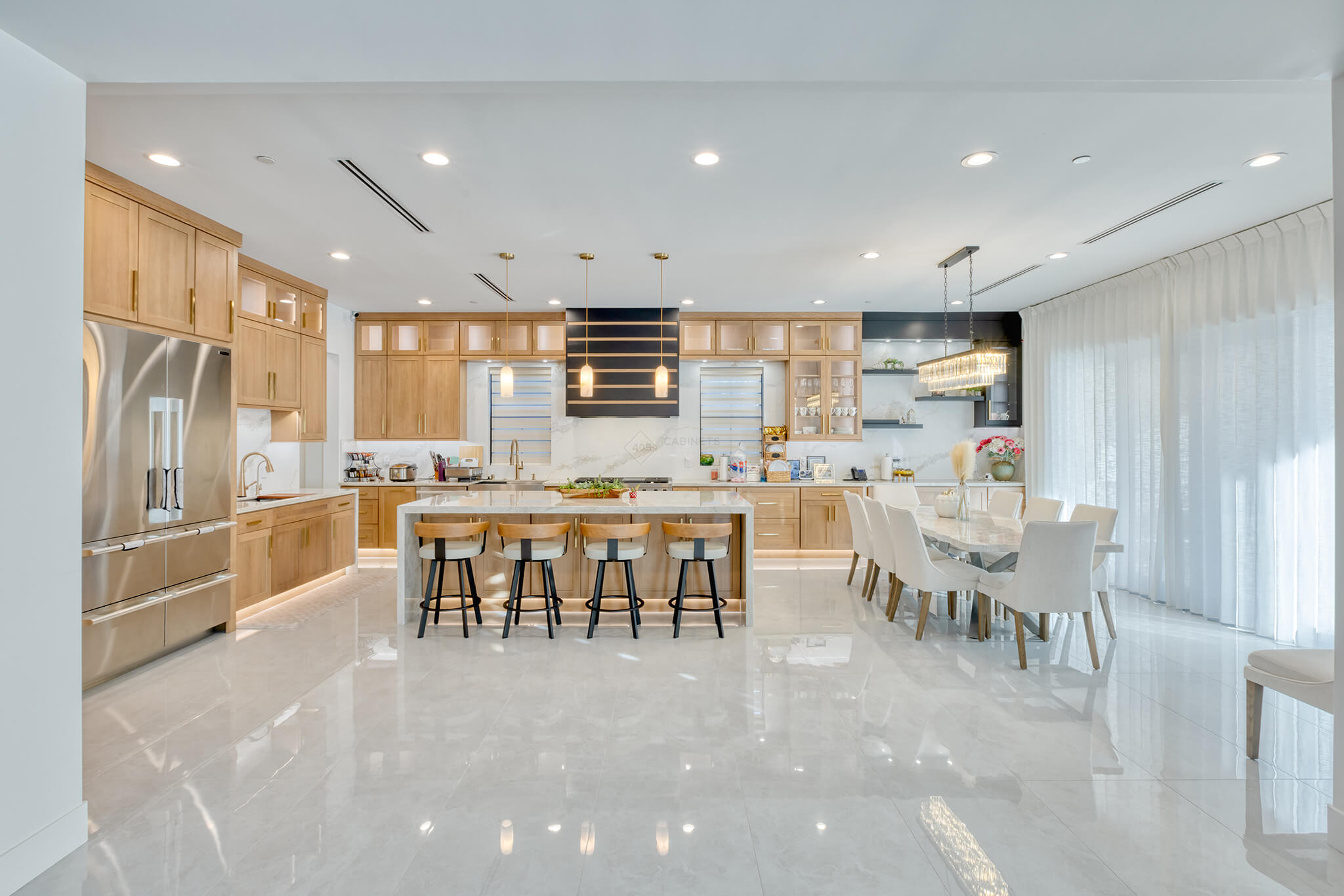
A beautiful kitchen should also feel solid in daily use. Cabinet quality affects the way doors align, drawers move, storage holds weight, and the whole room feels after years of cooking and gathering. Countertop quality affects the precision of seams, edges, overhangs, and the finished look around sinks, walls, and appliances.
When reviewing cabinets, homeowners can ask about birch, maple, and white oak, along with the way construction, finish, drawer boxes, hinges, and interior details support long term performance. These questions do not take away from the beauty of the design. They protect it. A kitchen may photograph well on day one, but careful construction is what helps it keep feeling dependable.
Countertop quality deserves the same attention. The edge detail should match the cabinet style and the overall tone of the home. A slim, clean edge can feel modern and discreet. A thicker look can give the island more presence. Seam placement should be discussed early, especially in larger kitchens where surface runs are longer and the island is more visible.
A Showroom Visit Turns Guesswork Into Confidence
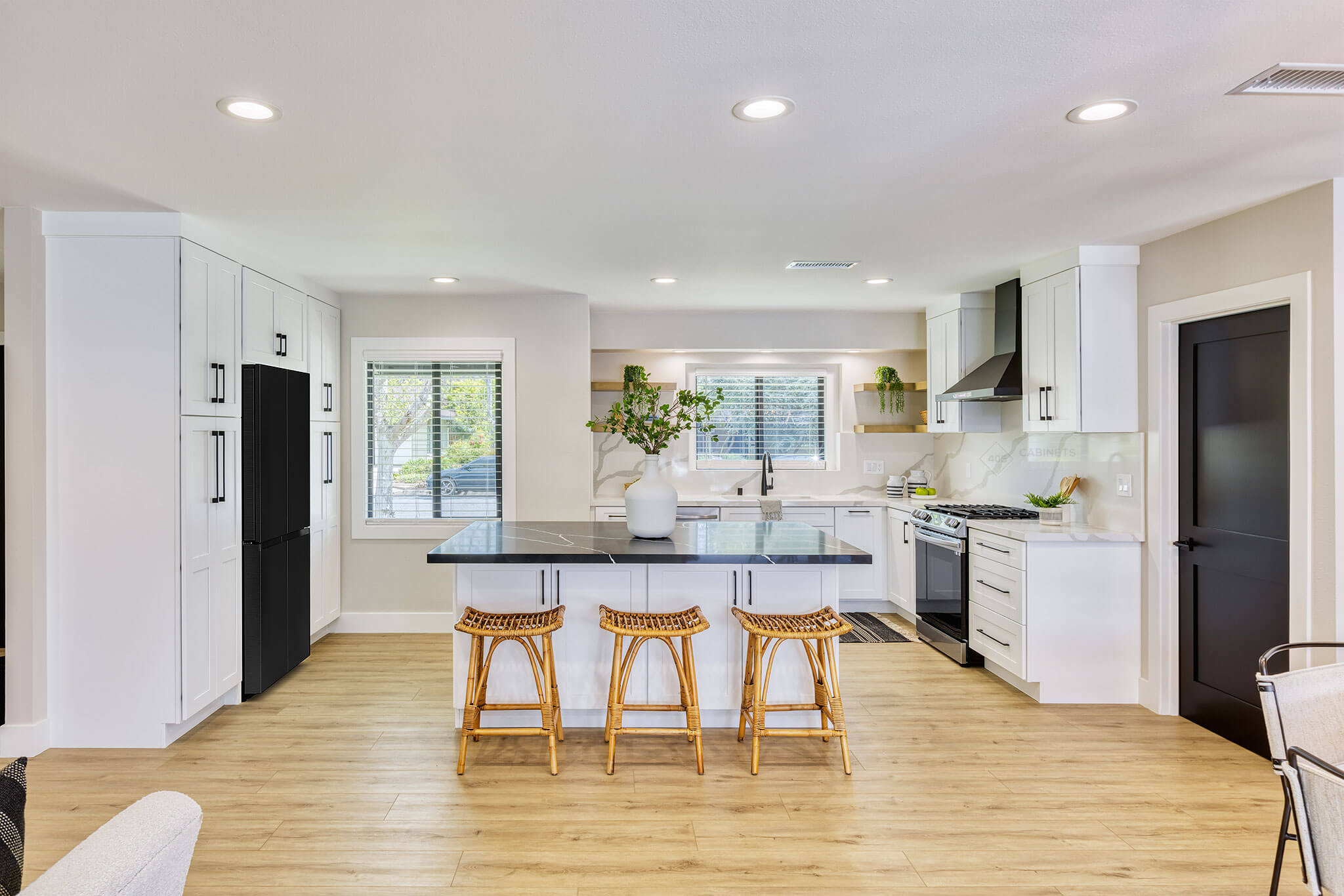
Online inspiration is helpful, but a kitchen comes together more clearly when homeowners can see cabinets and countertops at real scale. In a showroom, the relationship between cabinet color, surface movement, lighting, hardware, and layout becomes easier to understand. You can open drawers, compare finishes, view display kitchens, and see how different combinations feel from across the room.
Visiting the 405 Cabinets and Stone’s kitchen gallery is a strong starting point because it shows real customer spaces rather than isolated samples. A homeowner can study how a light countertop changes the mood of a dark cabinet, how white cabinets respond to a patterned island surface, or how a warm cabinet finish works with a calm surrounding palette.
The next step is visiting the 25,000sqft showroom, where the options become more tangible. Seeing kitchen displays in person helps homeowners notice details that are easy to miss on a phone screen. The cabinet height, island proportion, countertop thickness, handle placement, and storage features all become part of the decision.
A 3D Design Helps You See the Future Kitchen Before You Build
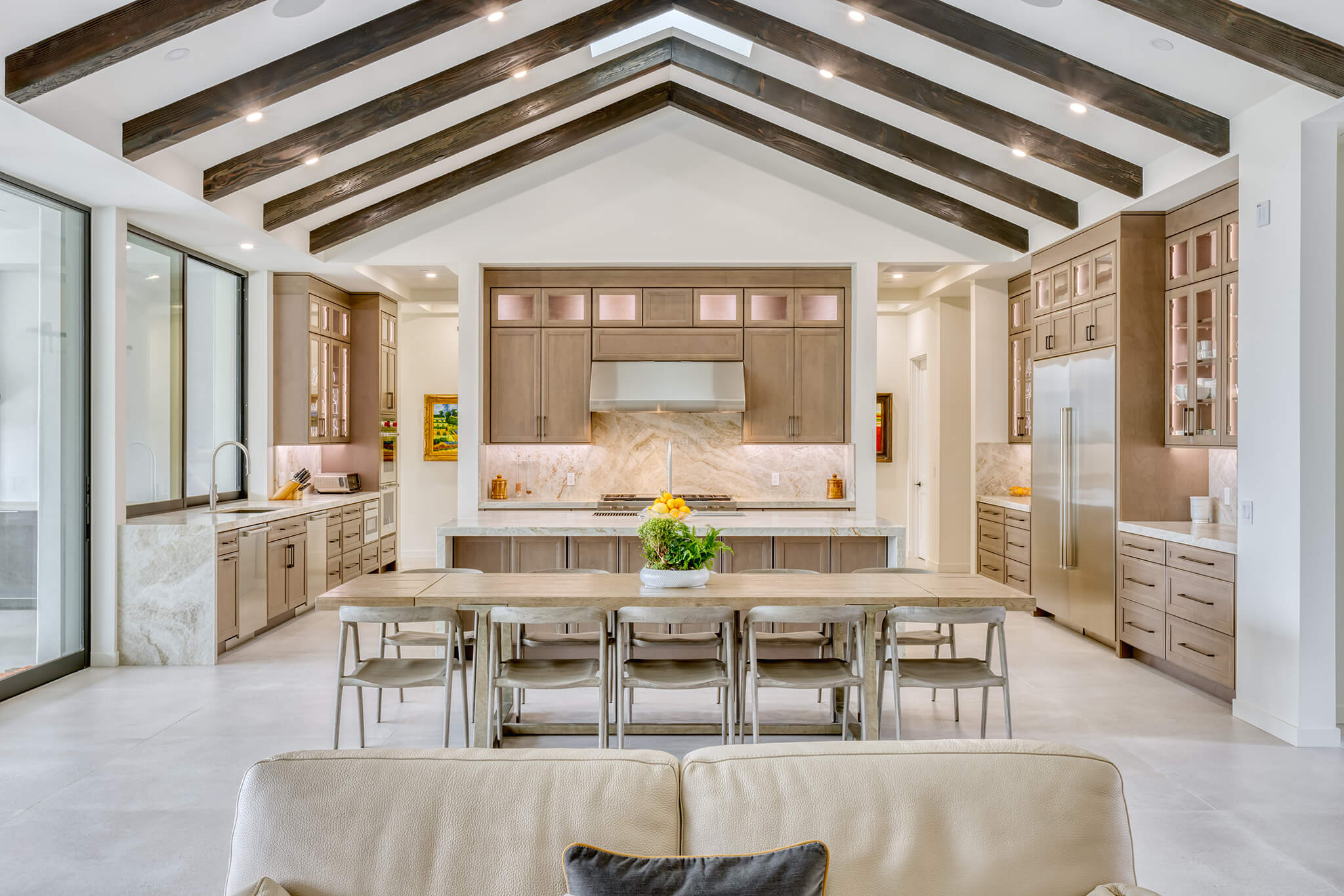
One of the most valuable steps in choosing kitchen cabinets and countertops is seeing the design based on your actual layout. A 3D design gives homeowners a clearer view of cabinet placement, island size, appliance spacing, and countertop flow before the project moves forward. It can turn uncertainty into a more practical conversation.
This matters because many kitchen decisions are connected. A countertop may look beautiful, but the island size will decide how much of its pattern you see. A cabinet finish may feel perfect, but the surrounding walls, windows, and flooring can shift the final impression. A virtual design helps homeowners understand these relationships before committing to the full project.
At the showroom, a designer can help translate measurements and preferences into a visual plan. That support is especially helpful for homeowners who know what they like but struggle to picture the completed space. Instead of guessing from separate samples, they can review the kitchen as a complete room and make changes while the design is still flexible.
The Best Fit Feels Beautiful and Livable at the Same Time
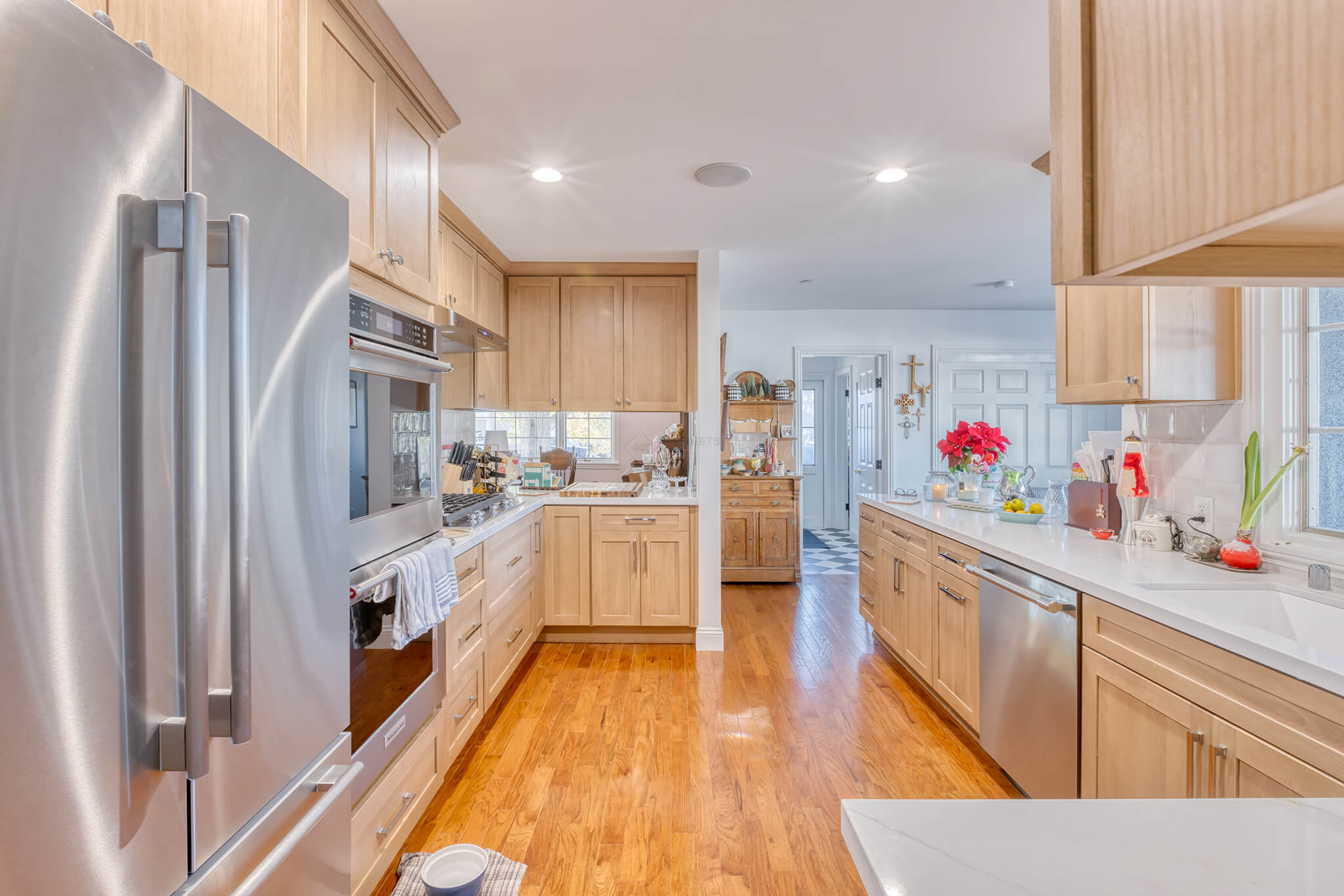
The best kitchen cabinets and countertops are not chosen by trend alone. They are chosen by how well they serve the home, the people using it, and the feeling the owner wants to create. A successful combination has beauty from a distance and quality up close. It looks inviting when guests arrive and feels practical when breakfast, dinner, and busy family routines fill the room.
To find that fit, start with a clear mood, then study contrast, countertop movement, cabinet quality, and layout. Use the kitchen gallery for inspiration, then visit the showroom to see real displays and compare options in person. With help from a designer and a three dimensional plan, the final choices become easier to trust.
A kitchen should not feel like a collection of separate decisions. It should feel like one thoughtful space where the cabinets, countertops, lighting, storage, and surfaces all belong together. That is where the right fit becomes more than a design choice. It becomes the room homeowners are excited to use every day.