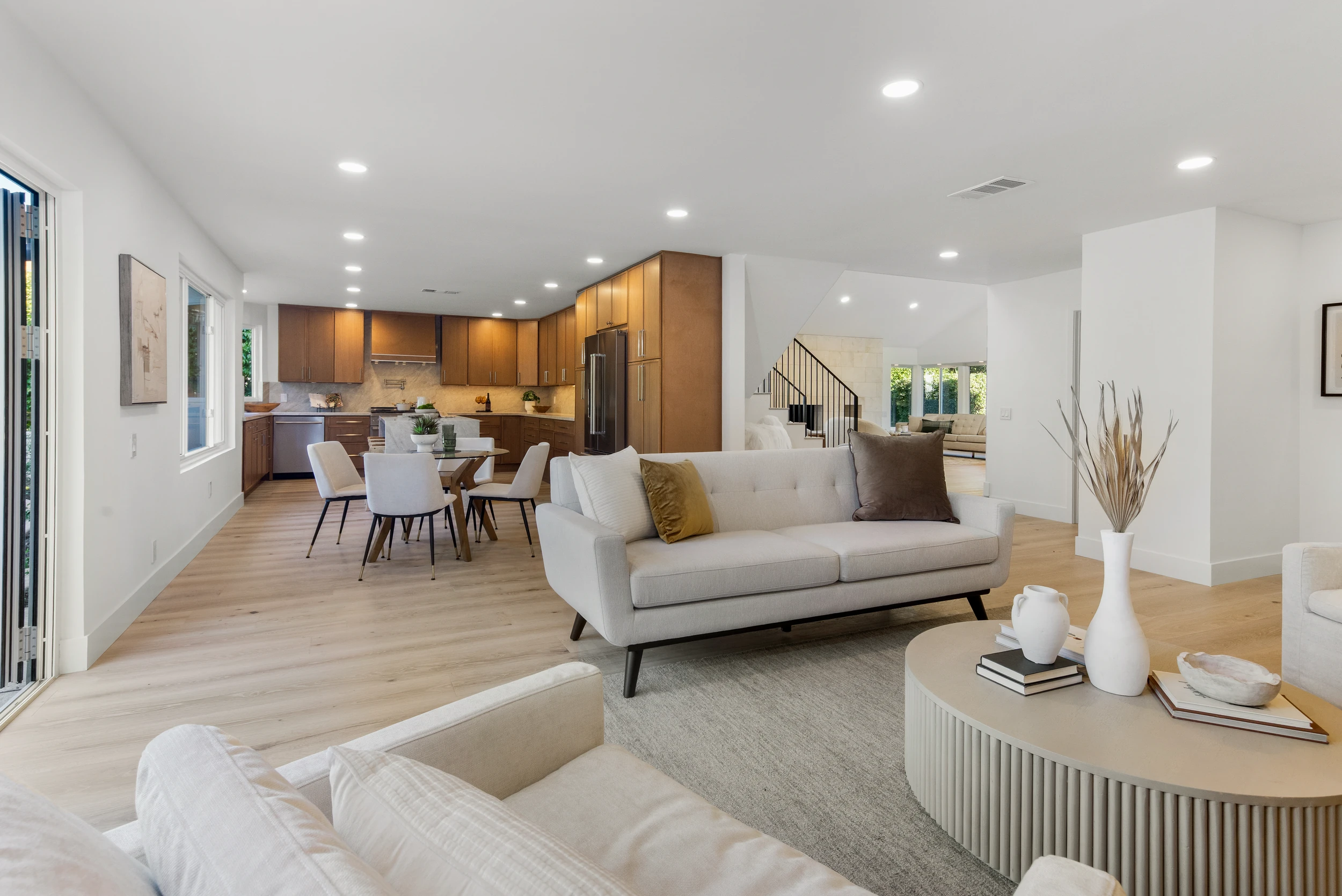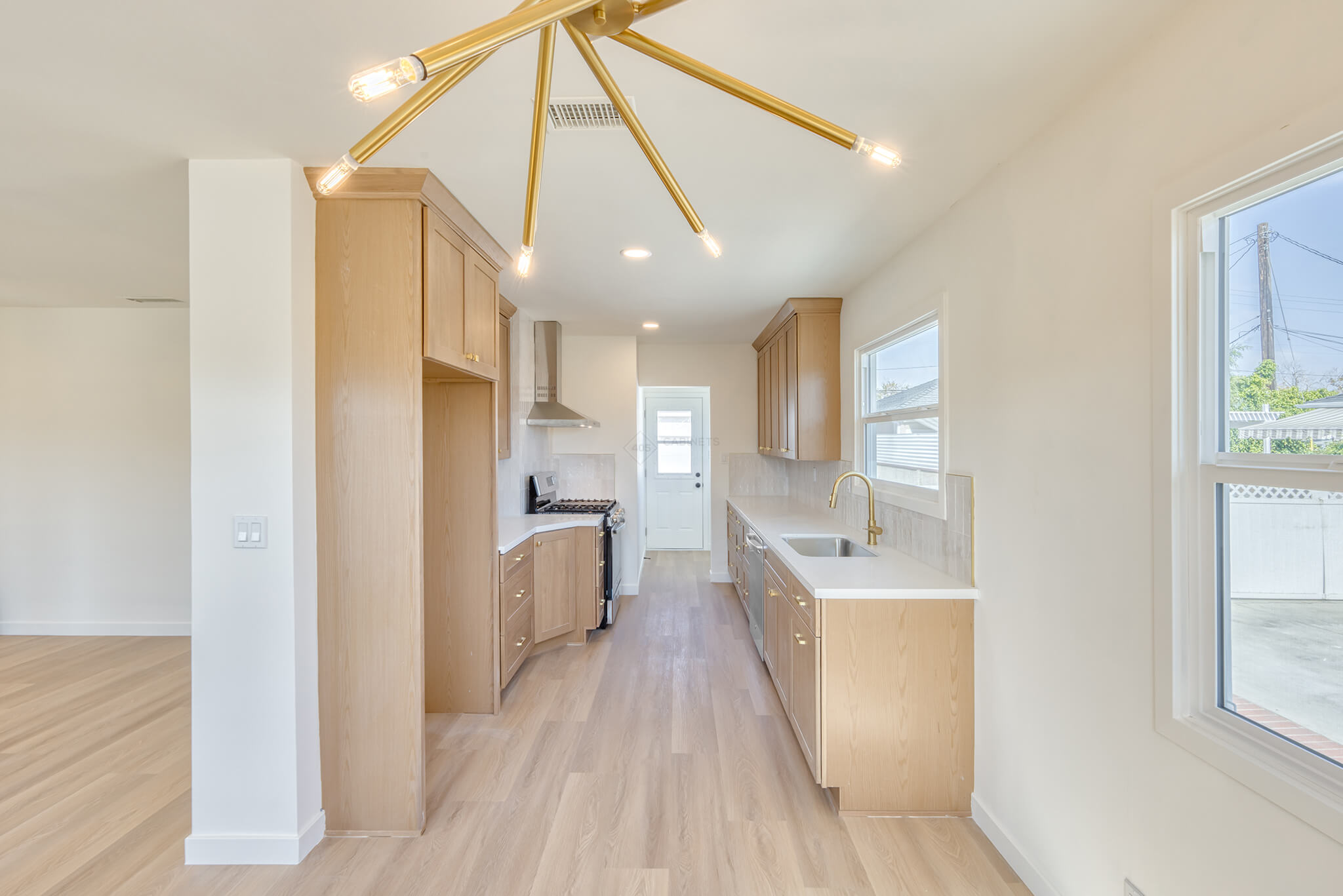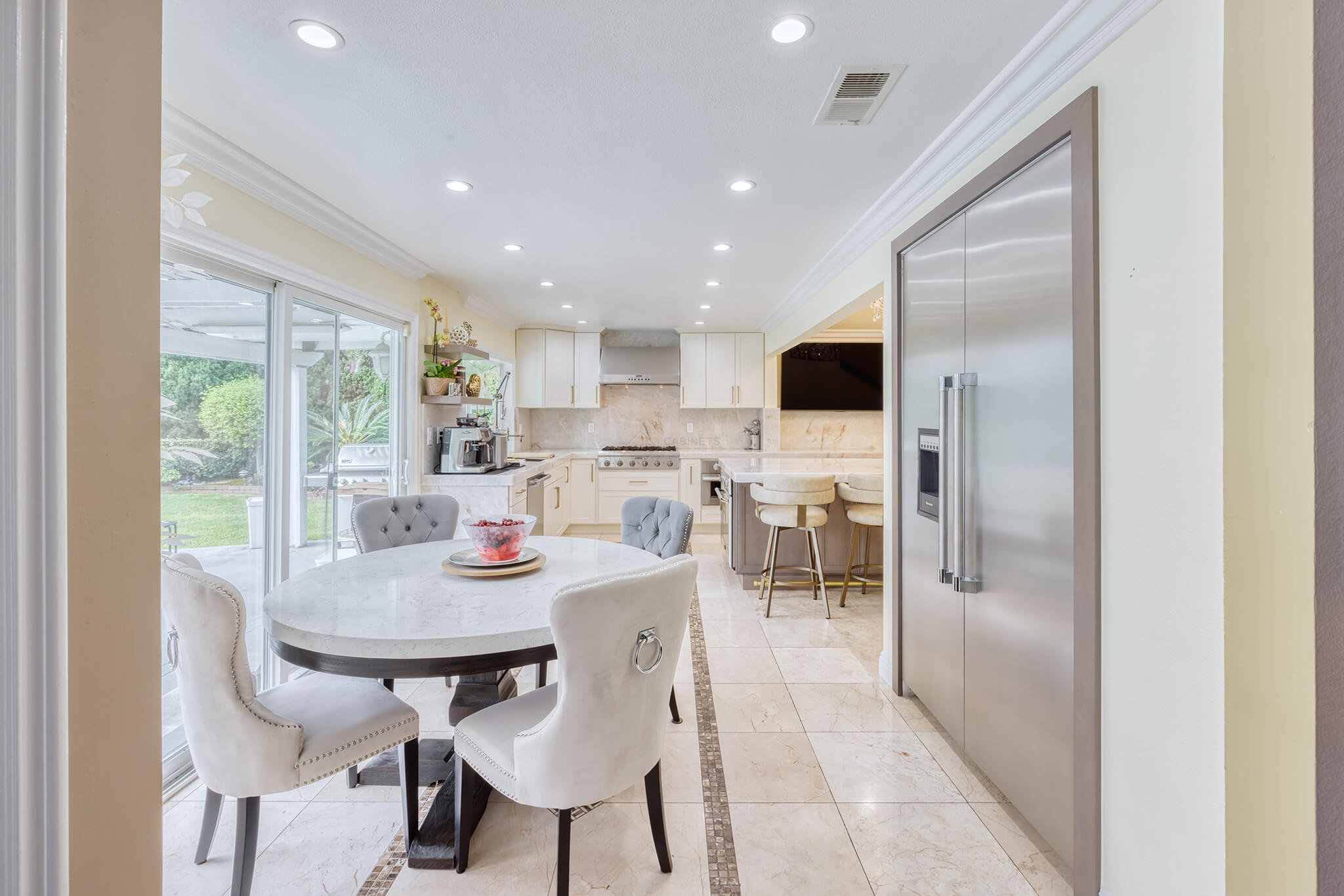



A kitchen can look beautiful from the doorway and still feel stressful the moment someone starts cooking. Crowded shelves, mismatched lids, and bowls piled too high make dinner feel more complicated than it should. That small moment is where many homeowners realize the problem is not only clutter. It is the way the storage was asked to serve the room.
The best kitchens feel calm because every cabinet has a reason to exist. Plates land where hands naturally reach. Utensils stay close to the prep area. Corners no longer swallow useful pieces. Counters stay open enough for real cooking, not just display. When cabinet organization is planned around daily movement, the whole kitchen begins to feel more generous.
How to Organize Kitchen Cabinets Around Real Daily Movement
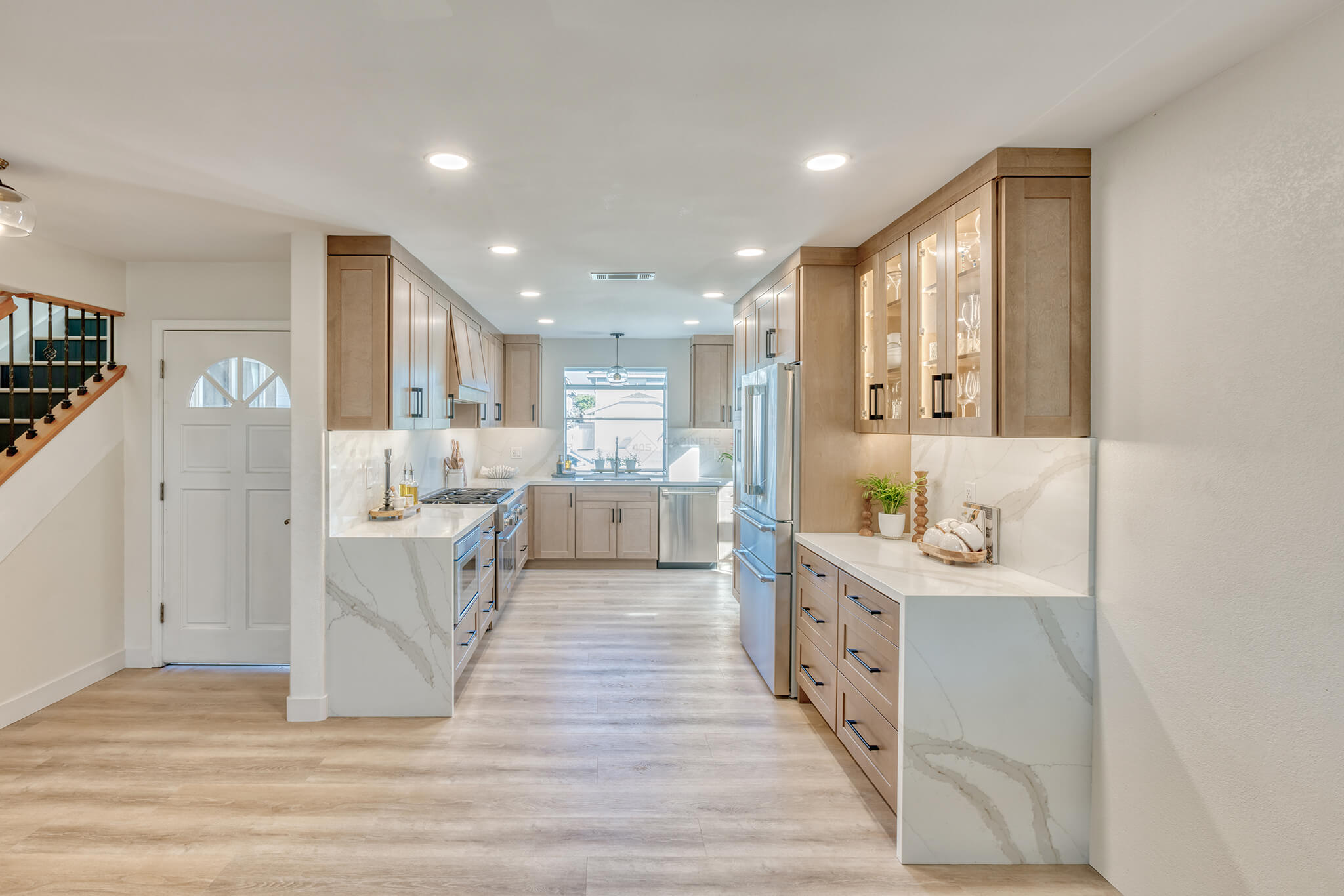
The most useful way to begin is not by buying extra containers or emptying the entire room at once. It starts by watching how the kitchen is already used. A family that unloads dishes beside the sink needs everyday plates and glasses close to that path. Someone who cooks often needs pans, seasonings, and utensils near the range rather than scattered across the room. A household that makes breakfast quickly before school or work needs that routine to have its own cabinet rhythm.
This is why prime storage should be reserved for pieces that earn their place every day. The easiest cabinets to reach should not be filled with special occasion serving pieces or gadgets that rarely leave the shelf. Save those higher or less convenient spaces for items that only appear once in a while. The center of the kitchen should serve the center of your life.
For an existing kitchen, choose one cabinet that frustrates you the most and reset it first. Remove what does not belong there, group what truly works together, and place the most reached for pieces toward the front. This creates a quick win and helps you see the rest of the room more clearly. For a remodel, this same thinking should happen before cabinets are ordered, because the best organization is easier when the cabinet plan already understands your routine.
Let Drawers Do the Work That Shelves Cannot
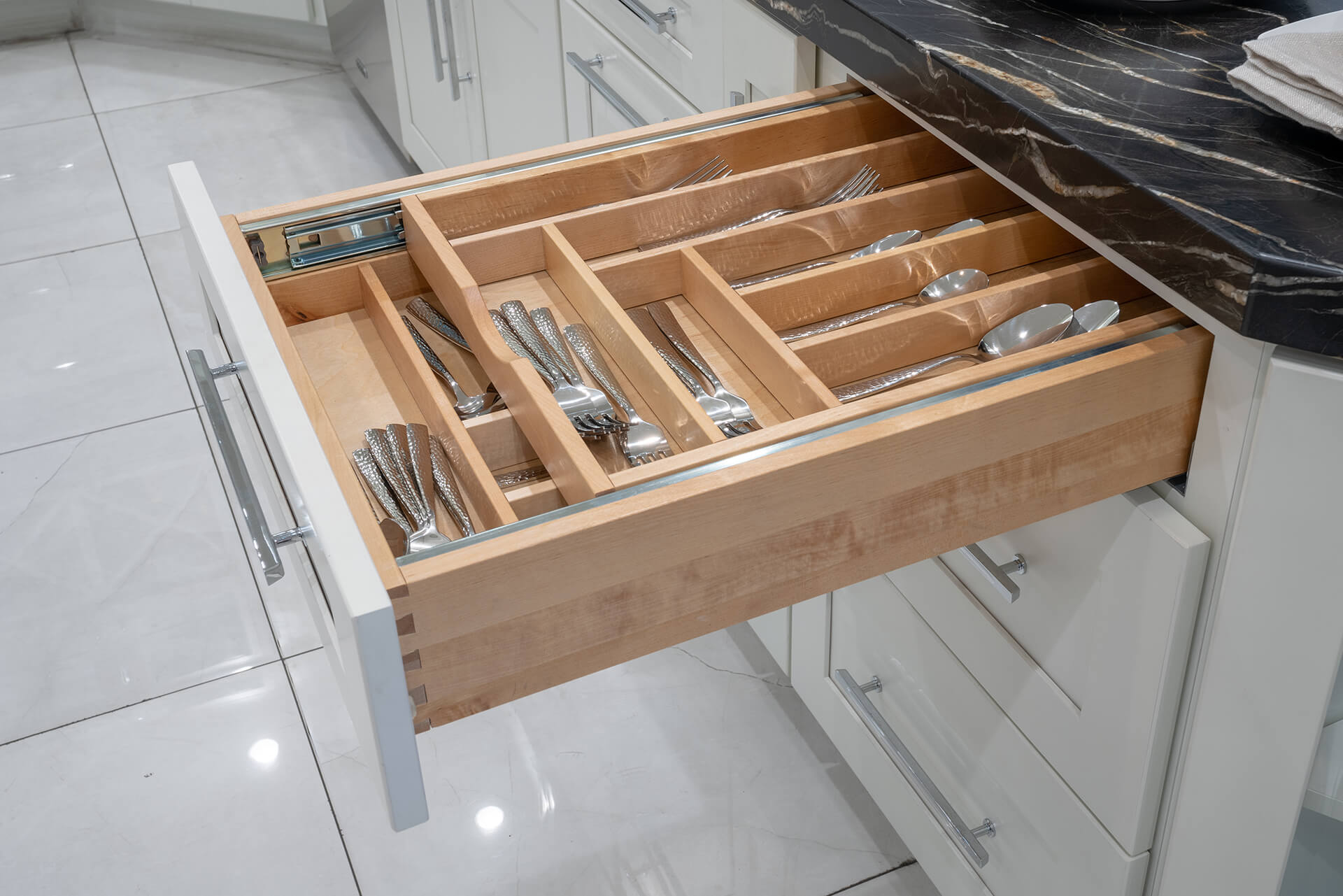
Learn how drawers can help you to organize your kitchen cabinets.
Deep shelves can hold a lot, but they do not always show a lot. That is where drawers become a smarter part of the kitchen. A full extension drawer lets the entire storage area come forward, which helps homeowners see what is inside without reaching into the dark back of a cabinet. For utensils, prep tools, towels, wraps, and smaller daily pieces, a drawer often gives better control than a traditional shelf.
Ergonomic cutlery drawers are especially helpful because they bring order to one of the busiest areas in the kitchen. Forks, spoons, knives, cooking utensils, and small prep pieces should not fight for the same open space. When the drawer has a clear interior arrangement, the hand finds what it needs quickly, and the drawer is easier to reset after dishes are washed.
For homeowners planning new cabinets, this is where cabinet construction and storage design meet. Full extension drawers, soft close movement, and well built drawer boxes create storage that feels polished during everyday use. Organization should not feel delicate or temporary. It should feel like part of the cabinetry itself.
Give Corners a Job Instead of Letting Them Disappear
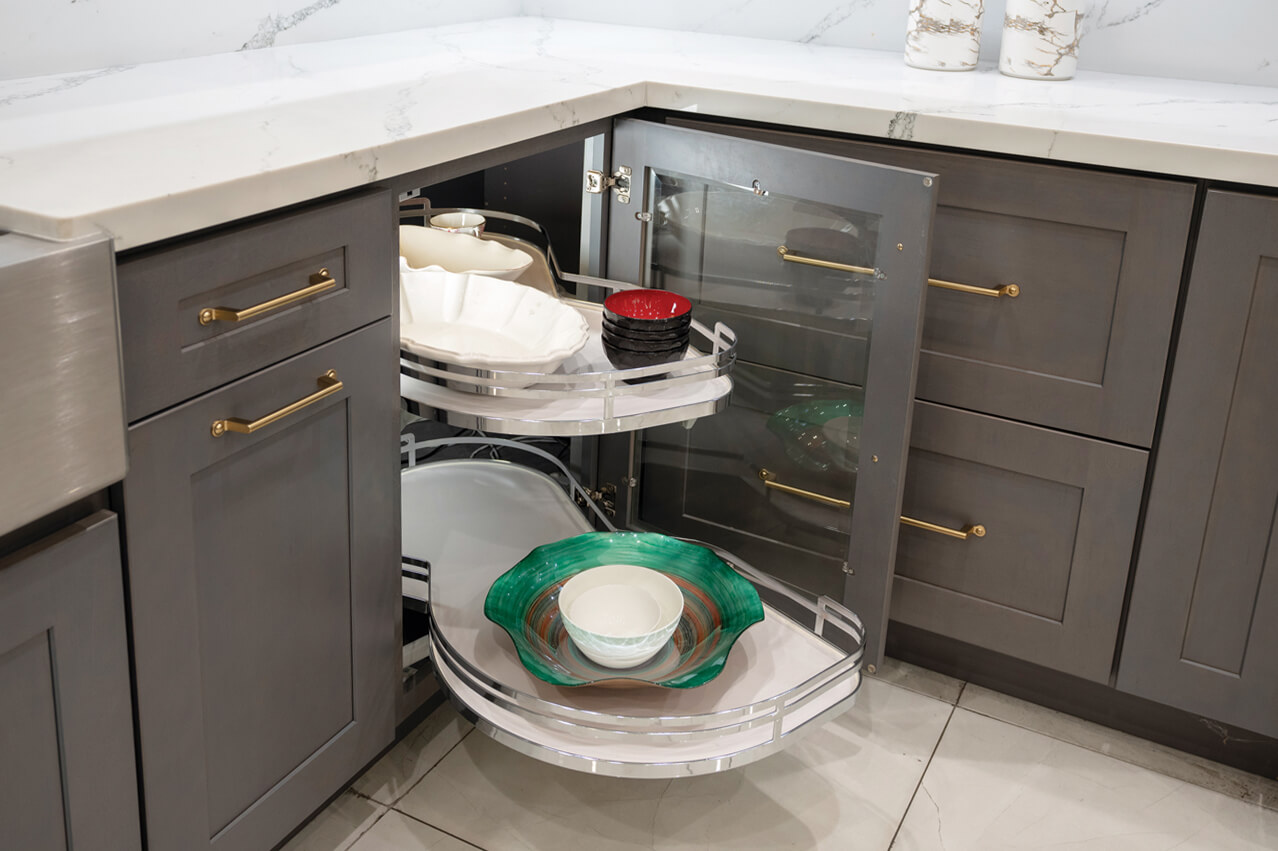
Corner cabinets are often where good intentions go to hide. They can become the place for pieces that are hard to reach, hard to remember, and hard to remove without rearranging half the cabinet. A better corner cabinet should bring the contents toward the user instead of asking the user to crawl toward the contents.
Functional corner systems can turn that difficult space into a useful part of the kitchen. A rotating shelf or a swing out shelf can make bowls, cookware, and larger serving pieces easier to reach. The important detail is to give the corner a focused purpose. It should not become a mixed storage zone for every object that lacks a home.
When organizing a corner, avoid filling every inch just because the space exists. Leave enough breathing room for the mechanism to move smoothly and for each piece to come out without a struggle. The goal is not to prove that the cabinet is full. The goal is to make the cabinet feel dependable during a busy meal.
More corner cabinets ideas to organize your kitchen: Kitchen Corner Cabinet Storage Solutions To Maximize Your Space
Clear the Counter by Assigning Appliances a Built In Home

Counter space is one of the first things homeowners lose when appliances do not have a planned location. A microwave, toaster, mixer, or coffee station can slowly take over the very surface needed for chopping, plating, and setting down groceries. Organizing kitchen cabinets becomes much easier when appliances are not treated as afterthoughts.
Built in microwave cabinets are a strong example of storage that protects the work surface. When the microwave has a cabinet home, the counter can stay open for preparation and serving. In some layouts, a wall cabinet keeps the appliance at a comfortable height. In others, a base cabinet or tall cabinet creates a more concealed look. The best placement depends on the household, the appliance size, and the way the kitchen is used.
Small appliance storage should follow the same rule. Daily appliances deserve convenient placement. Occasional pieces can move to taller storage or a cabinet outside the main cooking zone. This keeps the room from feeling crowded and makes the visible areas feel more intentional.
Treat Pantry Cabinets Like a Small Store You Can Read at a Glance
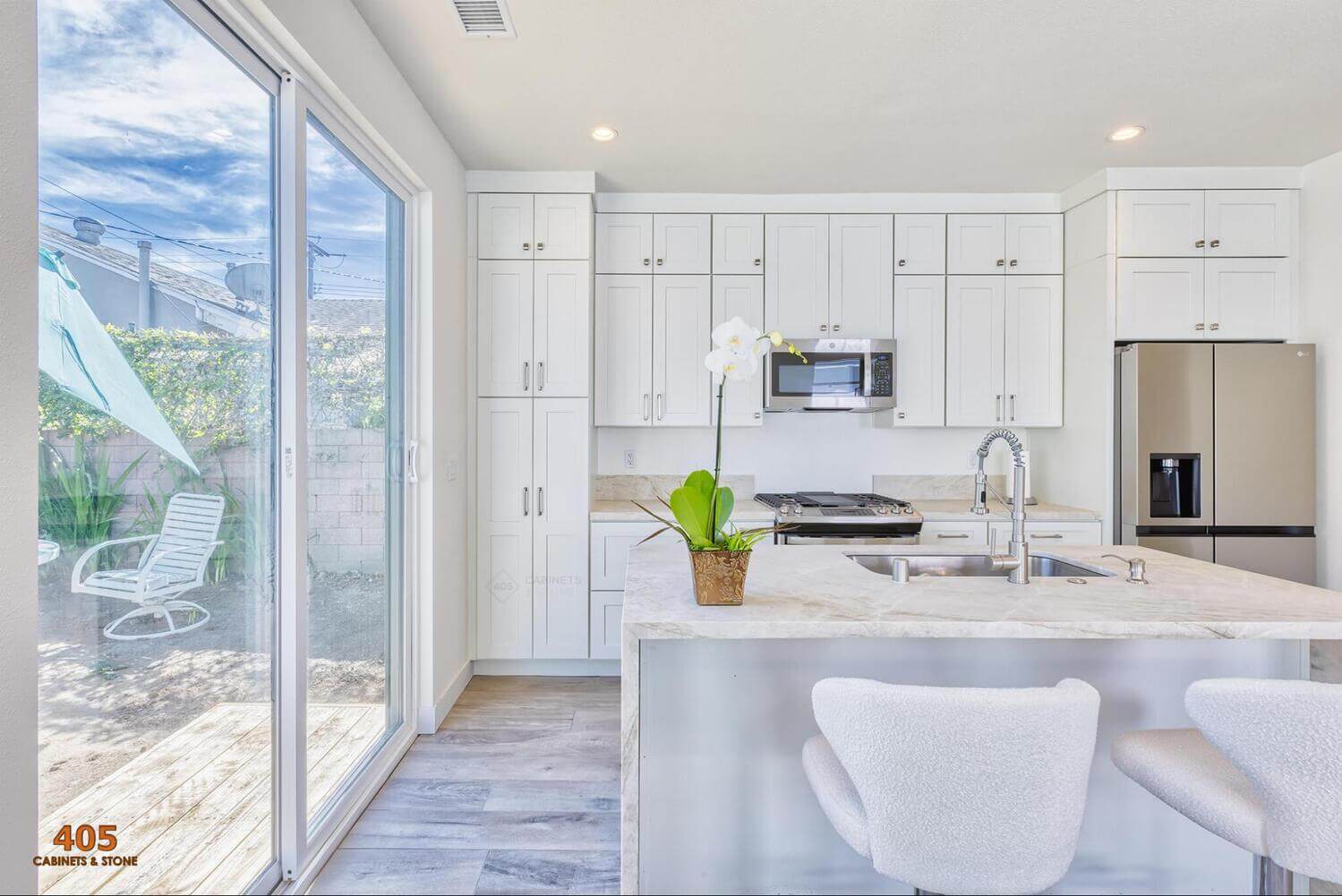
Food cabinets work best when they are easy to read. A pantry cabinet should not require a search party every time someone needs rice, pasta, baking ingredients, snacks, or canned goods. The most practical arrangement is to create simple food zones and keep each zone visible from the moment the cabinet opens.
Place newer pantry items behind older ones so food is used in a natural order. Keep open packages together so they are not forgotten. Store snacks where the right people can reach them, and keep cooking staples near the area where meals are actually prepared. When categories are clear, the household is less likely to buy duplicates and more likely to use what is already there.
Tall cabinets can be especially helpful in smaller kitchens because they use vertical space without expanding the footprint of the room. The notice here is that height should be planned with access in mind. The most frequently used food items belong at comfortable levels, while lighter or occasional items can sit higher. Good pantry organization should make the cabinet feel taller without making daily cooking feel harder.
Hide the Messy Necessities Without Hiding the Function
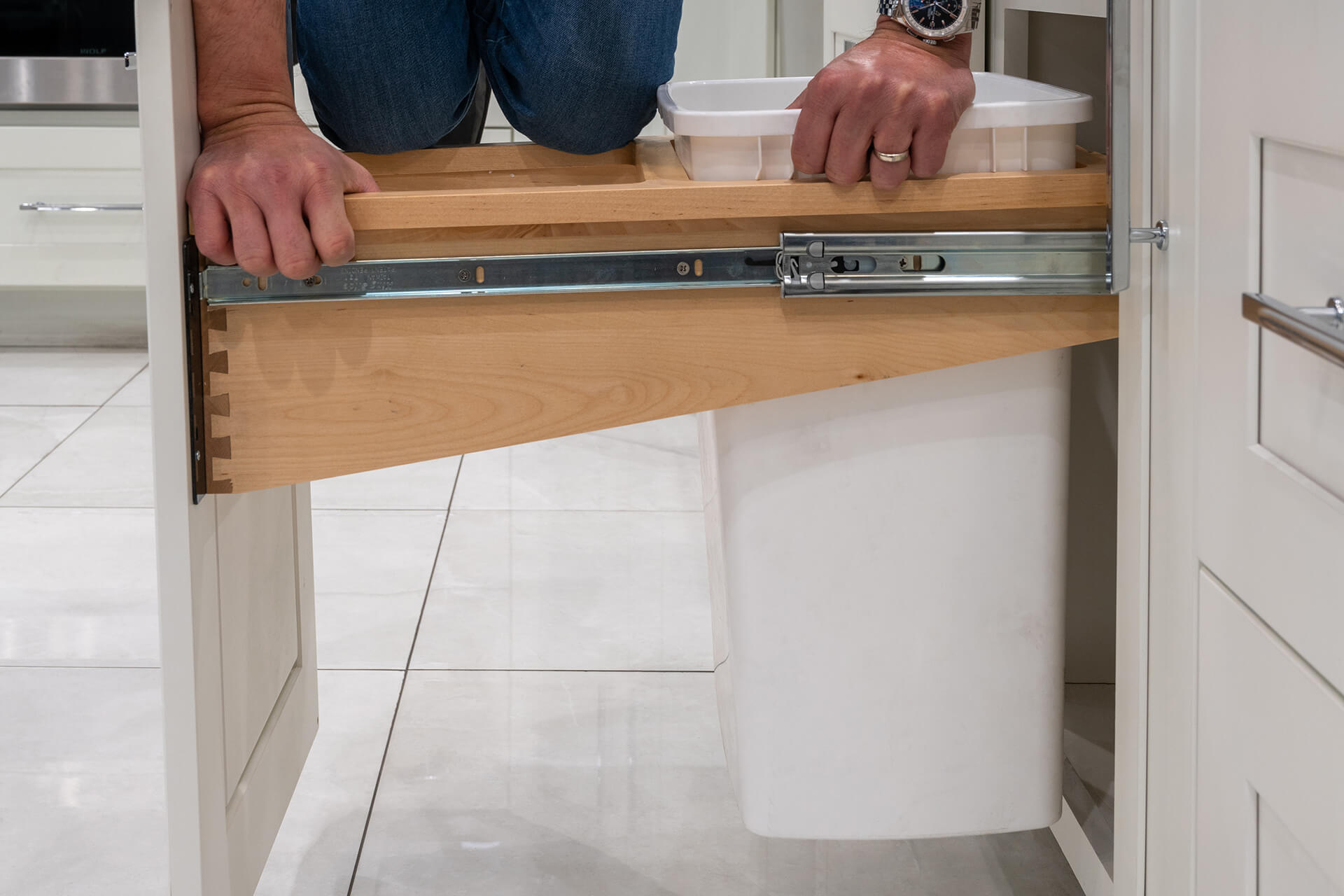
Every kitchen has practical needs that are not especially beautiful when left in the open. Trash, recycling, cleaning supplies, extra bags, and dish related items all need a place, but they should not dominate the room visually. A dedicated waste basket cabinet can keep one of the most necessary kitchen functions close to the work area while preserving a cleaner cabinet line.
The best location is usually near the sink or main prep surface, because scraps, packaging, and cleanup all happen there. When the waste area slides out smoothly, the task feels simple and the floor stays clearer. It also helps guests understand the kitchen more naturally, because the function is exactly where they expect it to be.
Cleaning items should be organized with the same level of intention. Keep them separate from food and tableware, and avoid letting the under sink cabinet become a crowded catchall. The goal is not to hide everything and forget it. The goal is to place practical items where they support the kitchen without stealing attention from the space.
Use Upper Cabinets and Floating Shelves With Intention
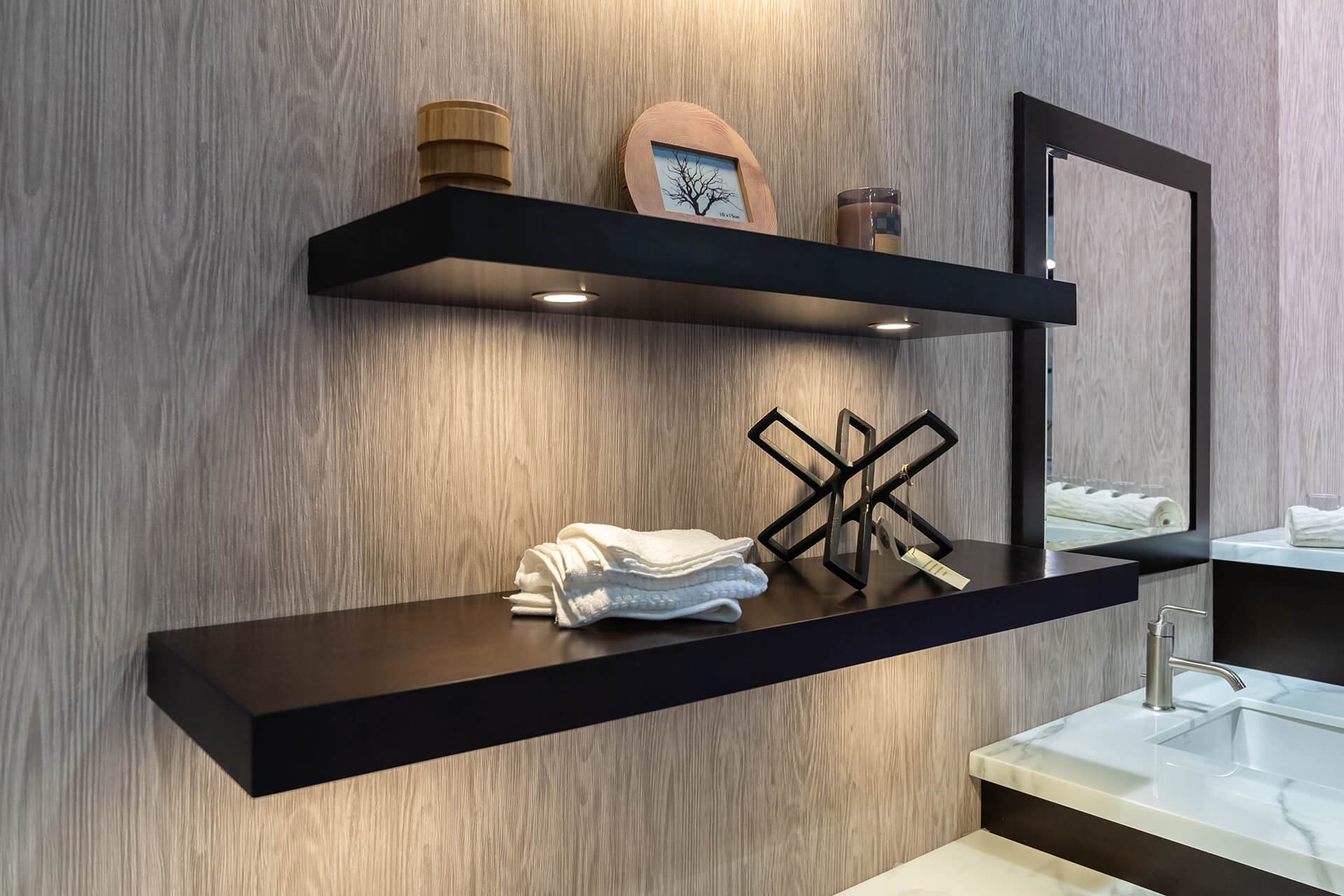
Upper cabinets can make a kitchen feel orderly when they hold the right things. Everyday glasses, mugs, and dishes often work well at eye level when they are close to the dishwasher or serving area. Lighter items are usually more comfortable above the counter than heavy cookware, and pieces used less often can sit higher without interrupting daily movement.
Floating shelves can also play a helpful role when they are not asked to become a second pantry. They are best for a small group of attractive and frequently appreciated items, such as a favorite serving bowl, a few cups, or simple decorative pieces that support the room. When shelves are edited, they add visual openness without making the kitchen feel unfinished.
The key is to avoid treating every open surface as storage. A beautiful kitchen still needs pauses. A little empty space helps cabinetry, countertops, lighting, and hardware feel more refined. Organization is not only about fitting more inside the room. It is about making the room feel easier to use and easier to enjoy.
When Organization Should Start With the Cabinet Plan
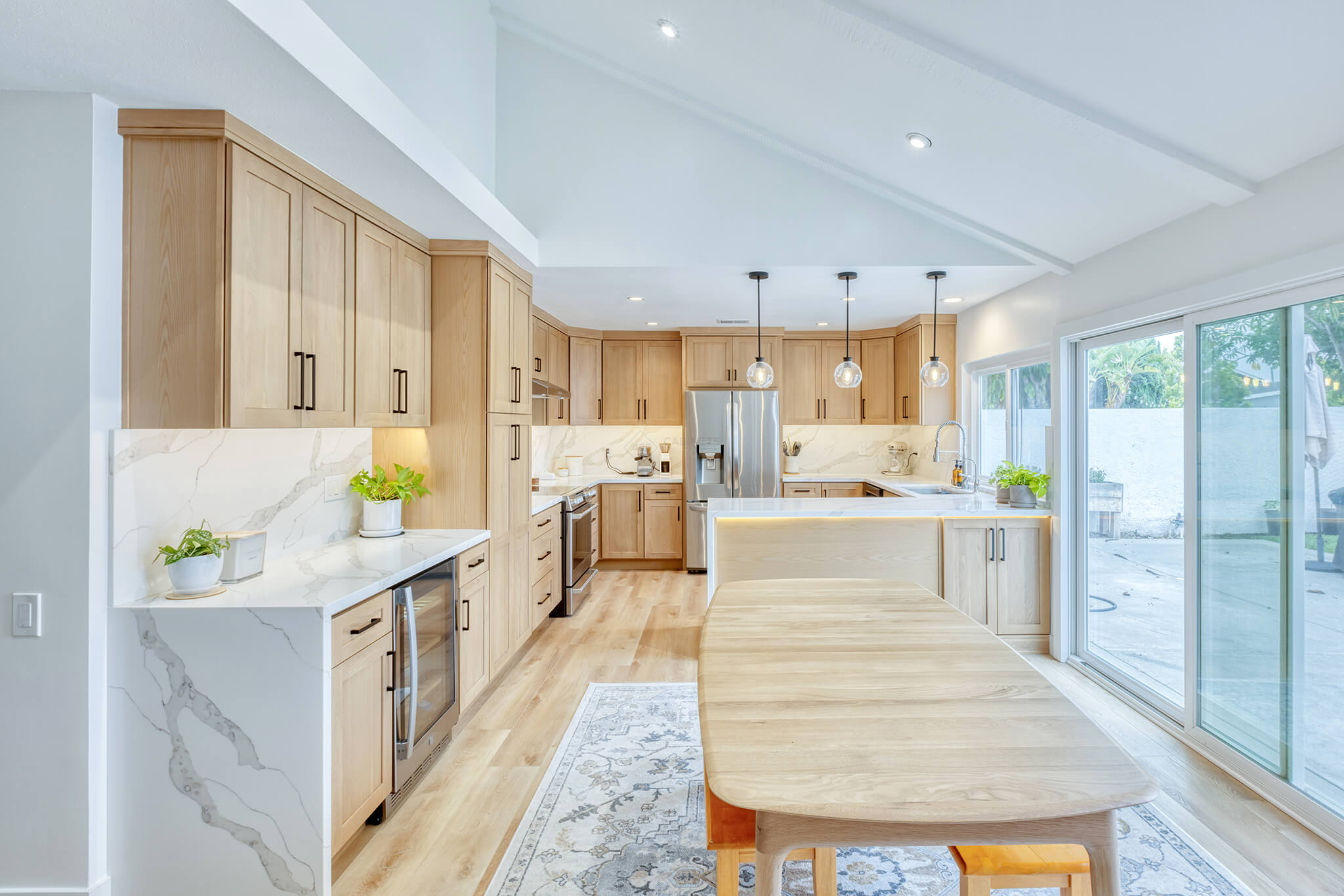
Many homeowners search for how to organize kitchen cabinets after the frustration has already built up. That search is useful, but the strongest solutions often begin earlier. When cabinet organization is considered during the design stage, the kitchen can include the right mix of drawers, corner solutions, appliance storage, pantry space, and waste storage from the start.
This is where a cabinet showroom and design conversation can change the outcome. Instead of asking one standard cabinet layout to solve every household need, the plan can be shaped around cooking habits, family routines, kitchen size, and the way the room connects to the rest of the home. A cabinet line with full extension drawers, soft close movement, functional corners, built in microwave options, floating shelves, and dedicated waste storage gives the design more ways to solve real problems.
For a small kitchen, organization may depend on taller storage and a careful appliance plan. For a busy family kitchen, the priority may be wide drawers, easy dish access, and a waste cabinet near the prep zone. For a homeowner who loves a clean counter, the answer may be a better microwave location and more deliberate upper storage. The right solution is not one trick. It is a cabinet plan that understands what the kitchen needs to do every day.
A well organized kitchen cabinet system should feel natural after the first week. You should not need to remember where everything goes because the layout makes sense on its own. When the cabinet opens, the answer should be right there. That is the quiet luxury of a kitchen designed around real life.