


Designing a kitchen in a compact home requires a thoughtful balance of style, efficiency, and openness. A simple open kitchen design for small house layouts is one of the most effective ways to maximize space while creating a modern, inviting atmosphere that is comfortable and inviting. By eliminating visual barriers and using smart design principles, homeowners can make even the smallest kitchen feel larger, brighter, and more functional.

Why Open Kitchen Designs Work Well in Small Homes
Open kitchen designs remove walls that traditionally separate cooking spaces from living or dining areas, creating a communal feel. In a small house, this instantly improves sightlines and allows natural light to travel more freely throughout the space, building on the sense of openness. The result is a home that feels more expansive and connected. Open kitchens also enhance everyday living by making it easier to interact with family members or guests while cooking, which is especially valuable in limited square footage. The whole concept centers around the idea of connection.
Planning a Simple Open Kitchen Design for Small House Layouts

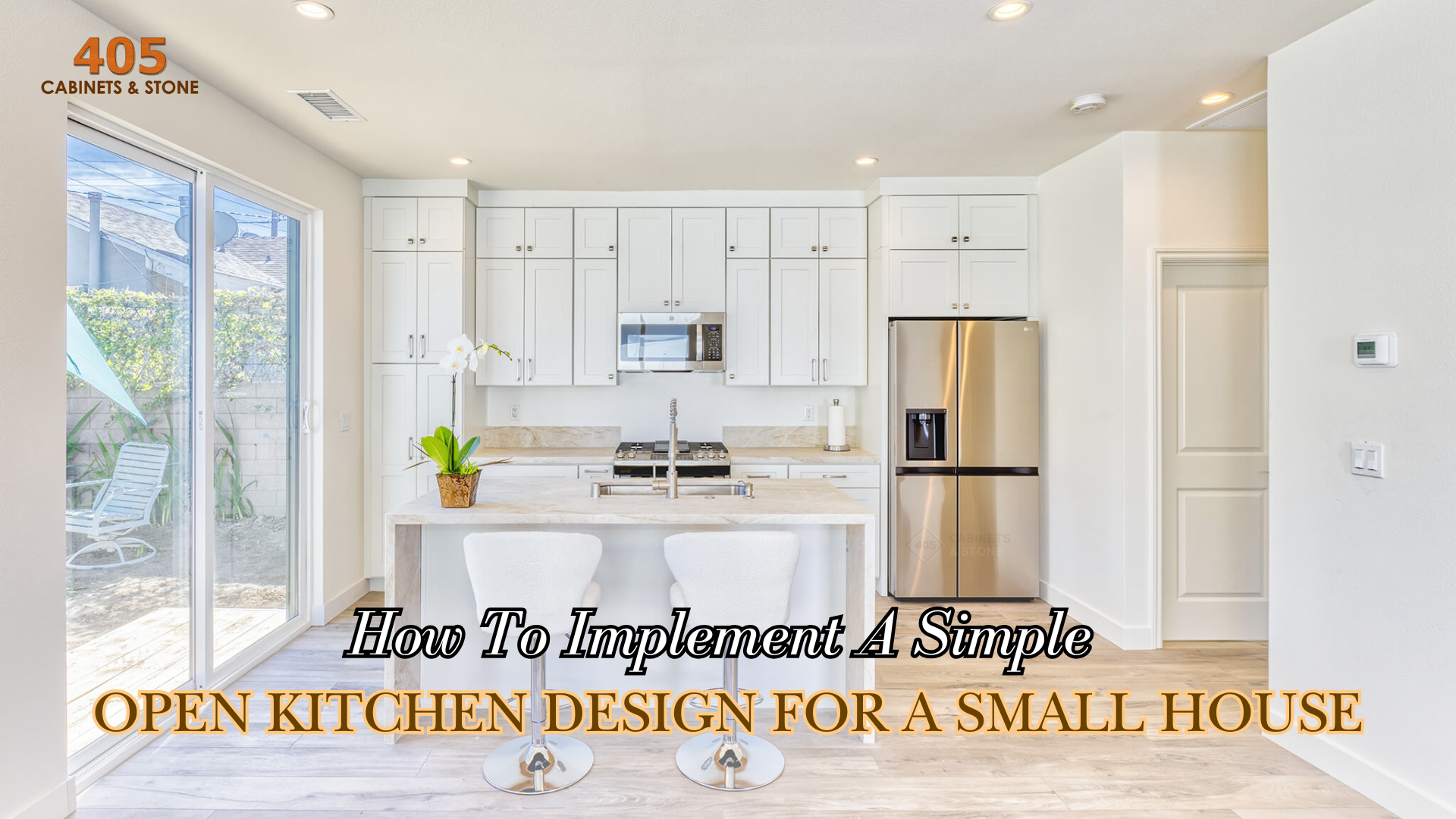
When planning a simple open kitchen design for small house interiors, functionality should guide every decision. Begin by selecting a layout that works with your existing floor plan rather than trying to reinvent the wheel. One-wall kitchens are ideal for very small homes, as they keep all appliances and storage along a single wall, which preserves the open space. L-shaped layouts are another popular option, offering additional counter space while keeping line of sight unimpeded to avoid closing the space off from the rest of the room.
Careful planning of work zones is essential. The sink, stove, and refrigerator should be positioned to minimize unnecessary movement while maintaining a clean, uncluttered look. Efficient layouts make the kitchen feel intuitive and easy to use, even in tight spaces.
Use Color and Materials to Enhance Space
Color choices also play a major role in how spacious an open kitchen feels. Light, neutral tones such as white, beige, soft gray, or light wood finishes reflect light, visually expanding the area. These colors are especially effective in open layouts, where the kitchen must blend seamlessly with adjacent living spaces.
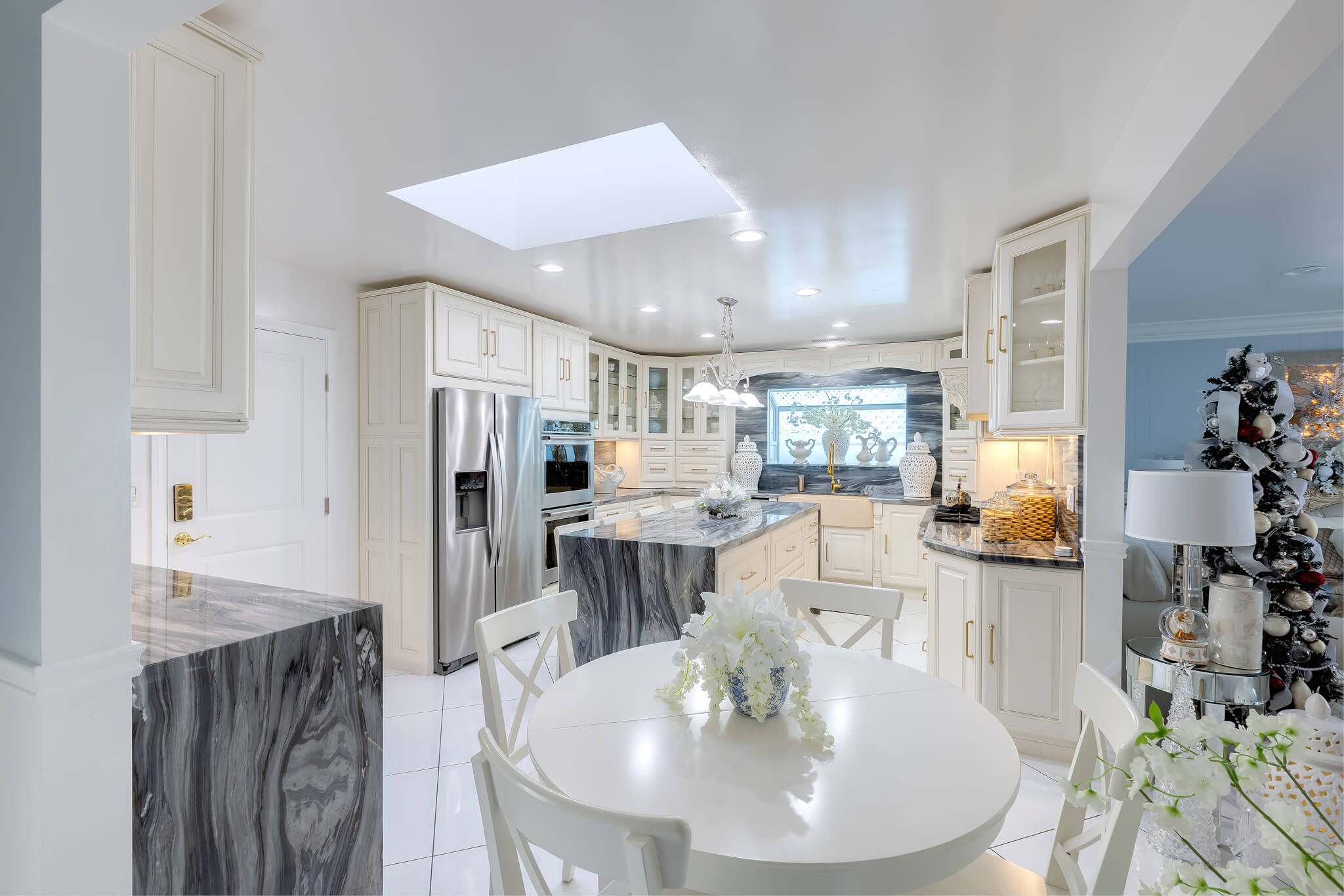
Reflective surfaces further enhance brightness and openness. Glossy cabinet finishes, polished stone countertops, and shiny or mirrored backsplashes can subtly amplify natural and artificial light. Together, these elements help maintain the simplicity and elegance of an open kitchen design.
Maximize Storage Without Adding Visual Clutter
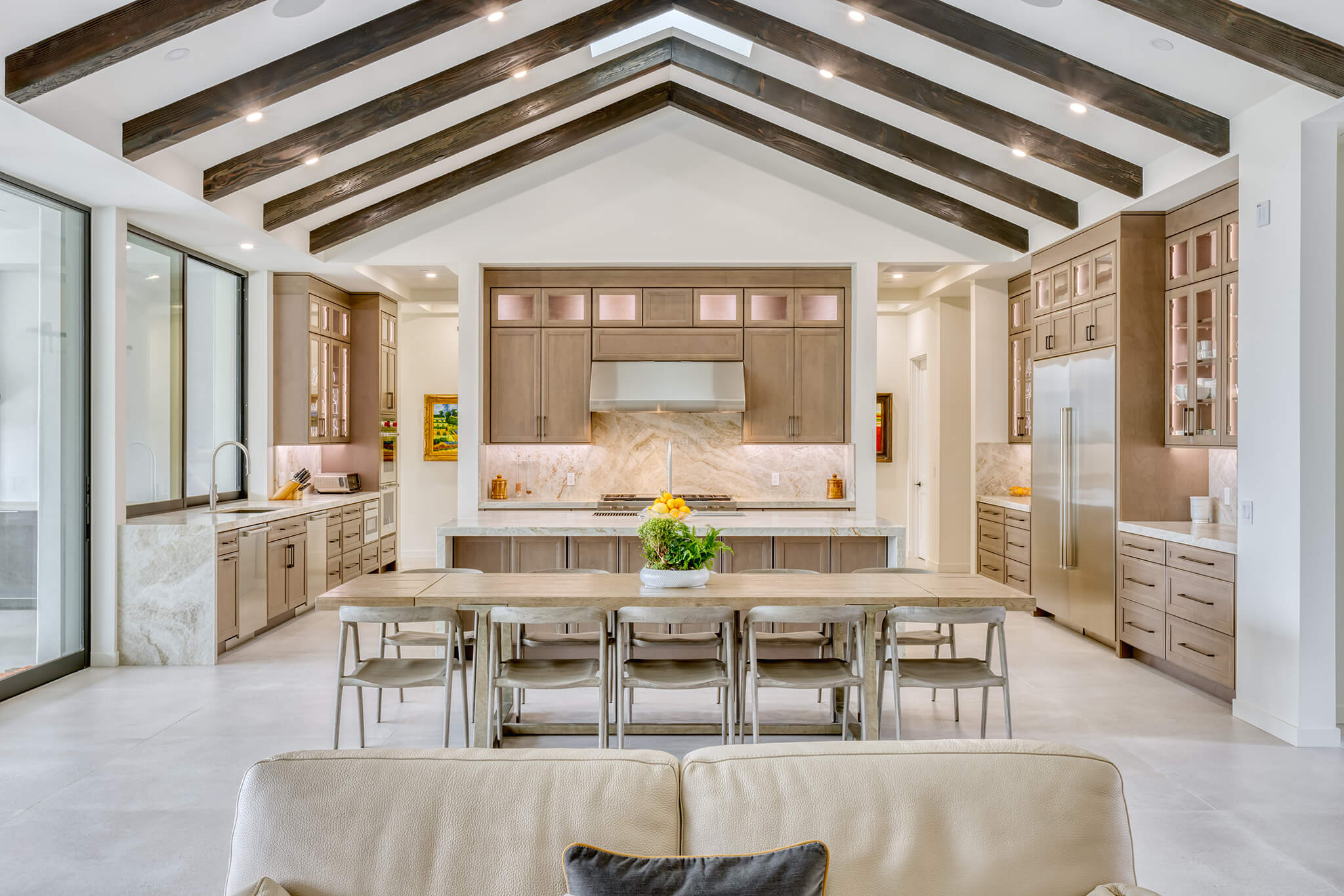
Unsurprisingly, storage is often the biggest challenge in small houses, but thoughtful solutions can make a significant difference. Floor-to-ceiling cabinets take advantage of vertical space while keeping countertops clear. Built-in organizers, pull-out shelves, and concealed storage systems help keep everyday items accessible but out of sight.
To help maintain a streamlined look, choose cabinetry with minimal hardware or handle-less designs. This reduces visual noise and supports the clean lines that define a simple open kitchen design that feels larger than the actual space.
Consider a Compact Island or Peninsula
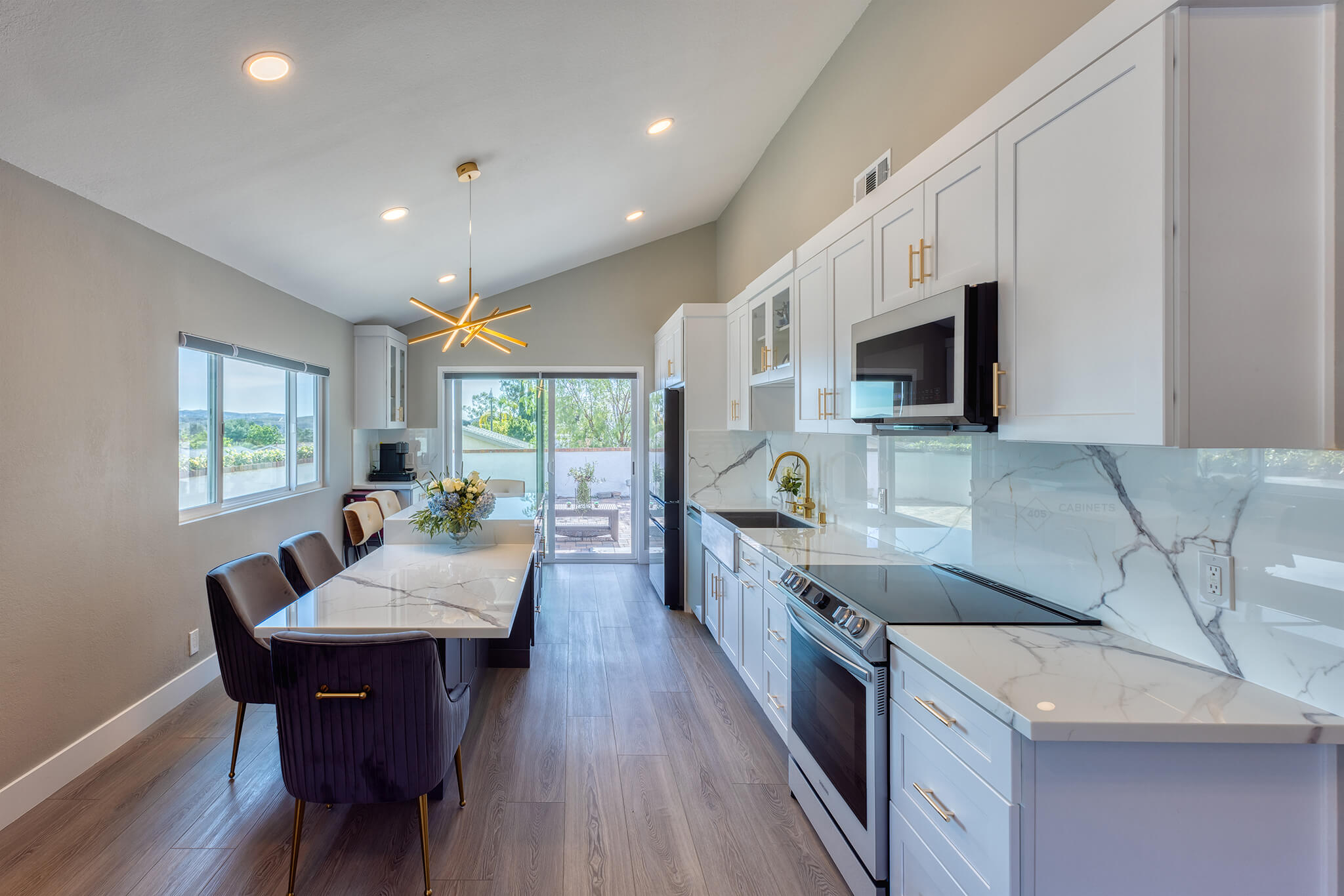
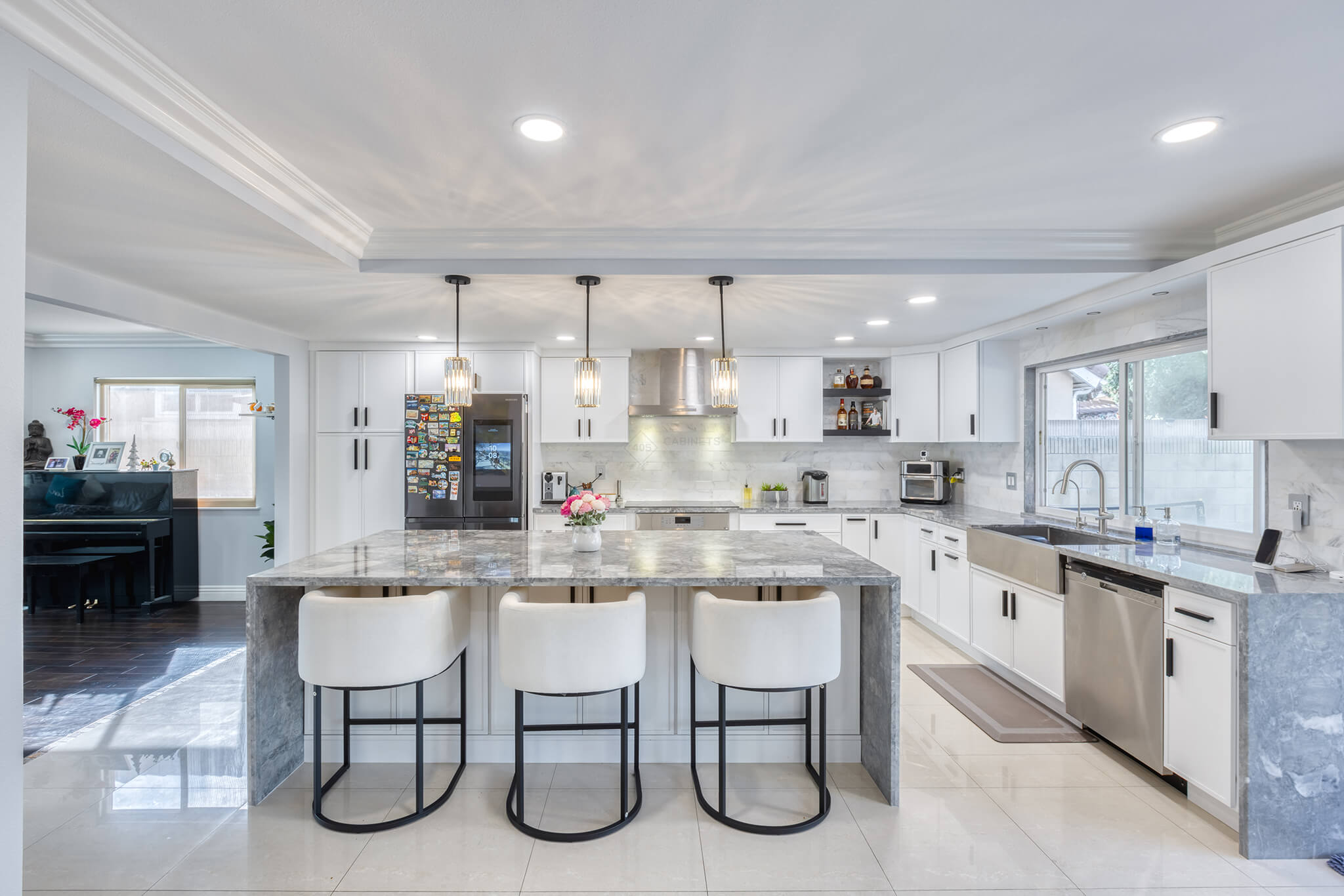
A small island or peninsula can be a valuable addition to an open kitchen, provided it is properly scaled. In a small house, these features can serve multiple purposes, including food preparation, casual dining, serving and storage. A peninsula, in particular, works well when space is limited, as it provides functionality without interrupting traffic flow.
The key is to keep the design light and proportional. Slim profiles, open shelving, or waterfall edges can help the island feel integrated rather than bulky and out of place.
Create Seamless Transitions Between Spaces
One of the hallmarks of a successful open kitchen is how smoothly it connects to the rest of the home. Consistent flooring throughout the kitchen, dining, and living areas can create the visual continuity necessary to connect these spaces and contribute to the feeling of expansiveness.. Whether you choose hardwood, tile, or luxury vinyl, using the same material helps unify the design.
Coordinating finishes and color palettes between the kitchen and adjacent rooms further strengthens the open concept. This approach ensures the kitchen feels like a natural extension of the living space rather than a separate zone.
Optimize Lighting for Function and Ambiance
Lighting is critical in an open kitchen, especially in small homes. Natural light should always be maximized whenever possible, and expanding windows or installing glass doors can be a great help in this endeavor. For artificial lighting, a layered approach works best. Recessed ceiling lights provide general illumination, while under-cabinet lighting supports food preparation tasks.
Pendant lights over an island or peninsula can visually define the kitchen area without enclosing it. When chosen carefully, these fixtures add personality, sophistication and elegance while maintaining the openness of the design.
Choose Compact and Integrated Appliances
Appliances should enhance, not dominate, a simple open kitchen design. Compact, energy-efficient appliances are ideal for small houses. Integrated or panel-ready appliances that match cabinetry create a cohesive look and help the kitchen blend seamlessly with surrounding spaces.
This approach not only saves space but also reinforces the minimalist aesthetic that is essential in an open kitchen layout.
Keep Decor Minimal and Intentional
To reduce the appearance of clutter, decor should be used sparingly in a small open kitchen. A few well-chosen accents, such as a textured backsplash, natural wood details, or subtle greenery, can add warmth without overwhelming the space. Open shelving can be incorporated in moderation, allowing for both function and visual interest while maintaining simplicity.
Conclusion
Implementing a simple open kitchen design for a small house is about making intentional choices that prioritize openness, efficiency, and visual harmony. By focusing on smart layouts, light-enhancing materials, seamless transitions, and minimal clutter, you can transform a compact kitchen into a stylish and functional centerpiece of your home. Let the experts at 405 Cabinets & Stone help guide you through the process of reimagining your small kitchen to create the perfect space for you and your family and friends.